HOW? METHODOLOGY
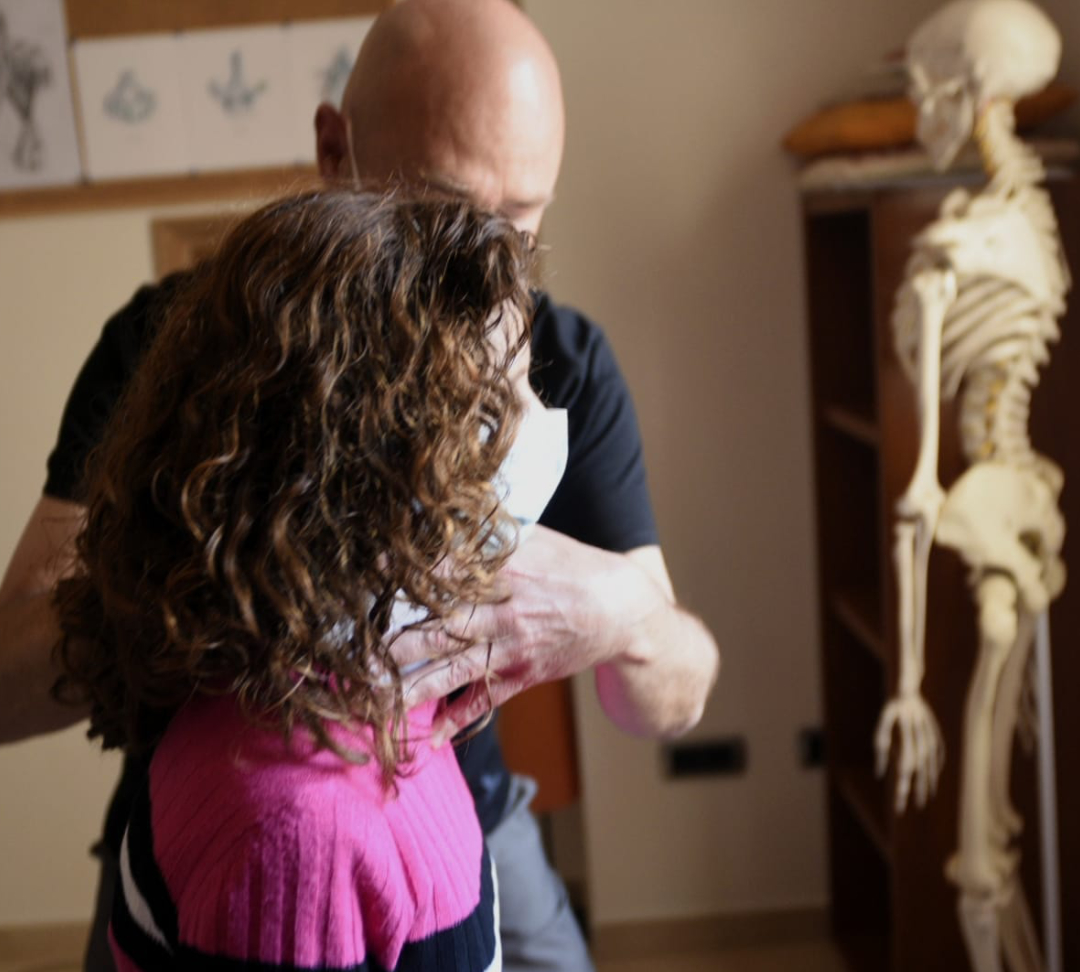
Although there seems to be a consensus regarding the optimal working postures, there is some difficulty in putting it into practice. This training program offers a solution to forced postures based on the Alexander Technique. ue. This method has been previously used within area of Health and Safety, but it remains quite unknown. This training will be used as a tool to eliminate acquired bad posture habits.
We want to help the professional learn to self-manage, with a proactive attitude when it comes to health and safety issues related to their job, emphasizing the role that one’s own behaviour plays in causing MSDs.
OUR TRAINING ETHOS
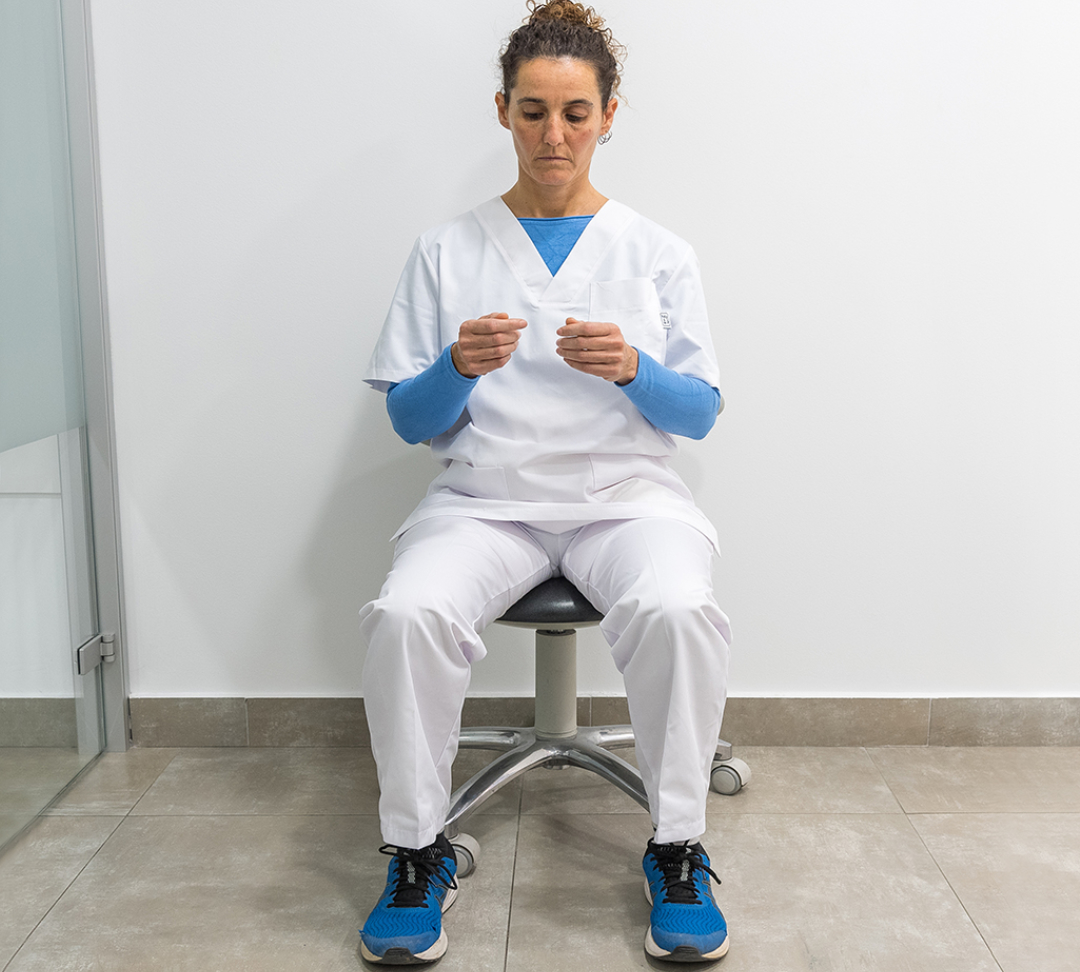
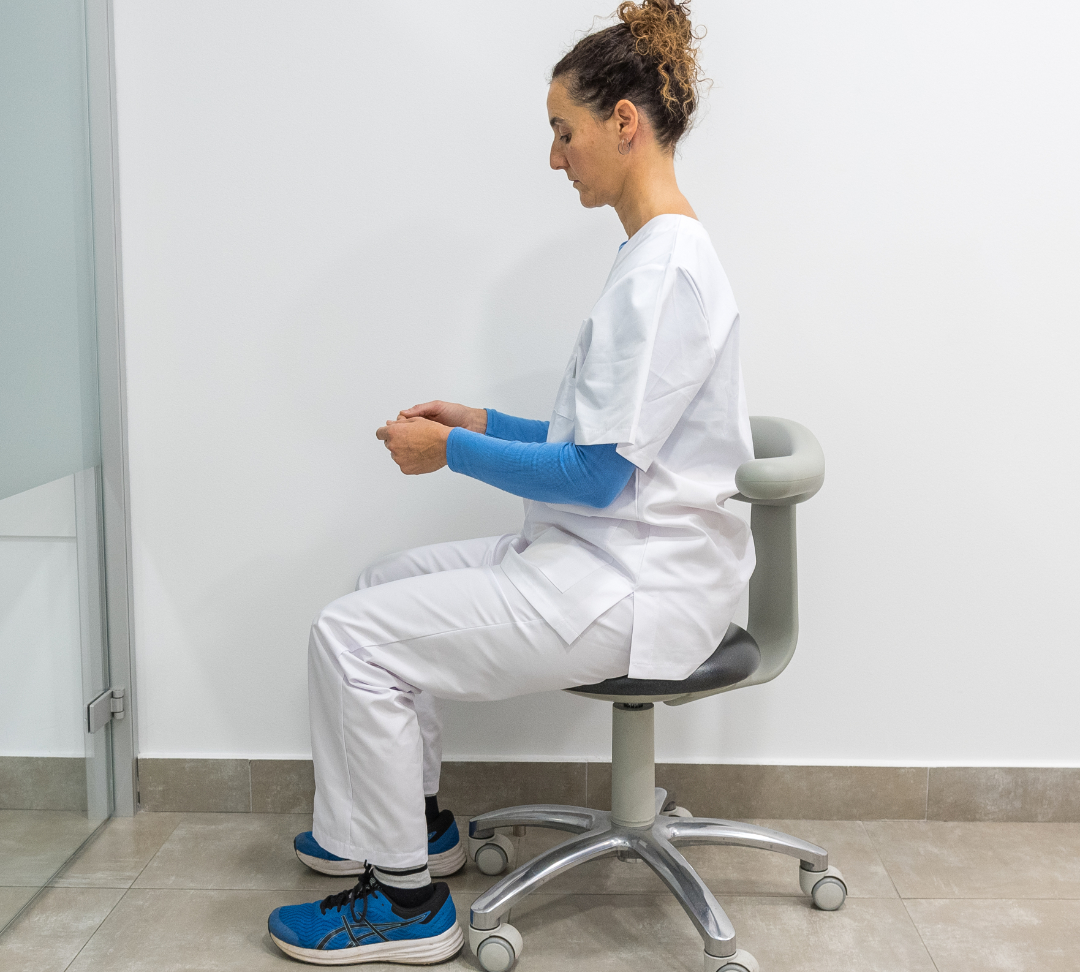
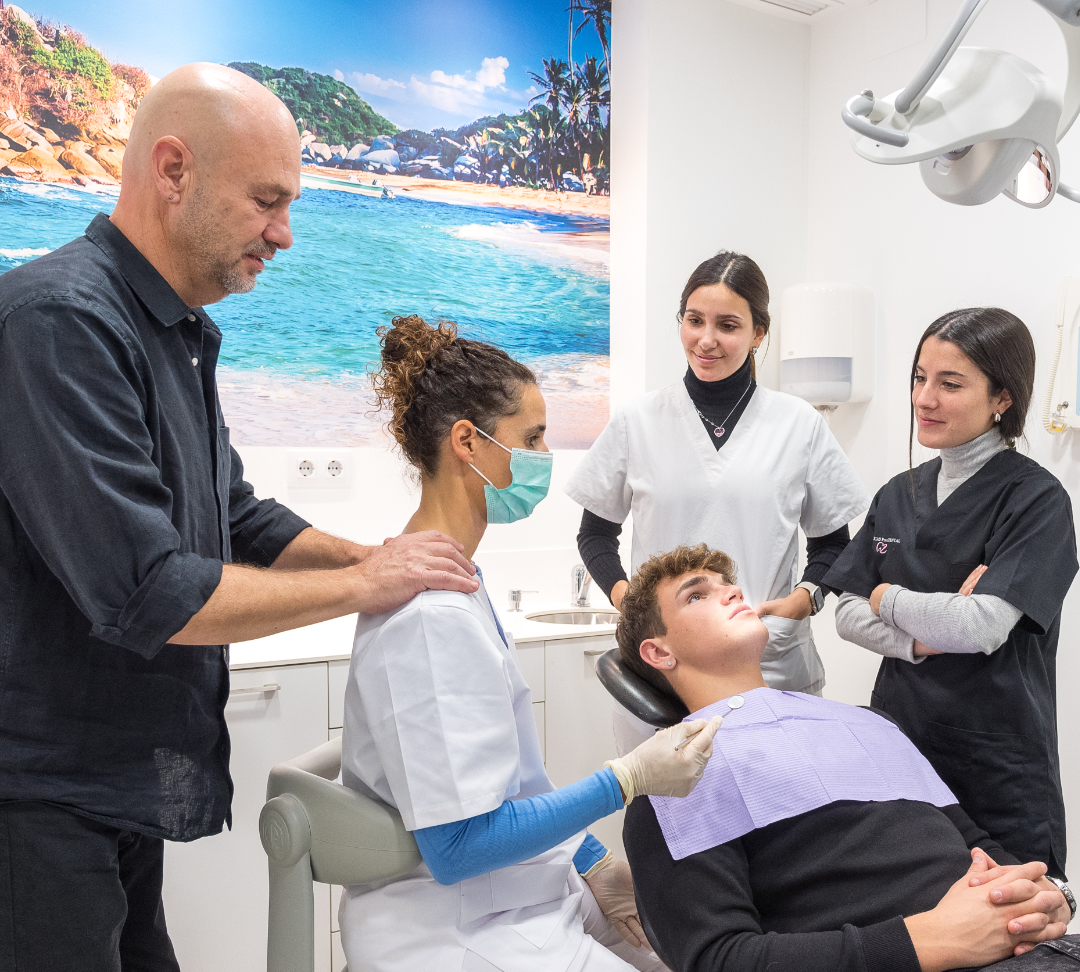
The recommended working posture for dentists is one called neutral or balanced. It is described in the standard ISO 11226:2000 Ergonomics – Evaluations of static operational postures (revised 2018). It is a natural seated posture, not forced and tension free, considering postural biomechanical principles. It must be comfortable, stable and symmetric.
Title
Title
Balanced posture
Title
Balanced posture
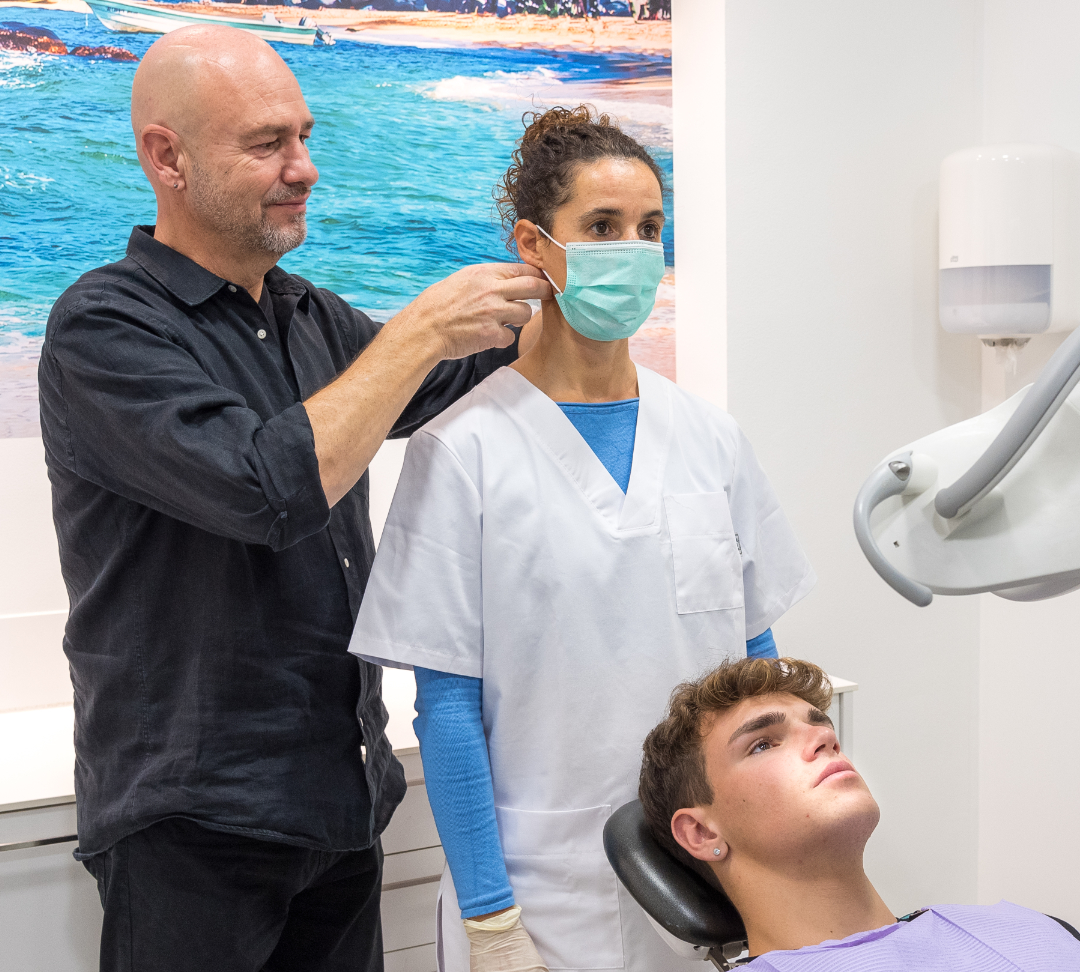
Title
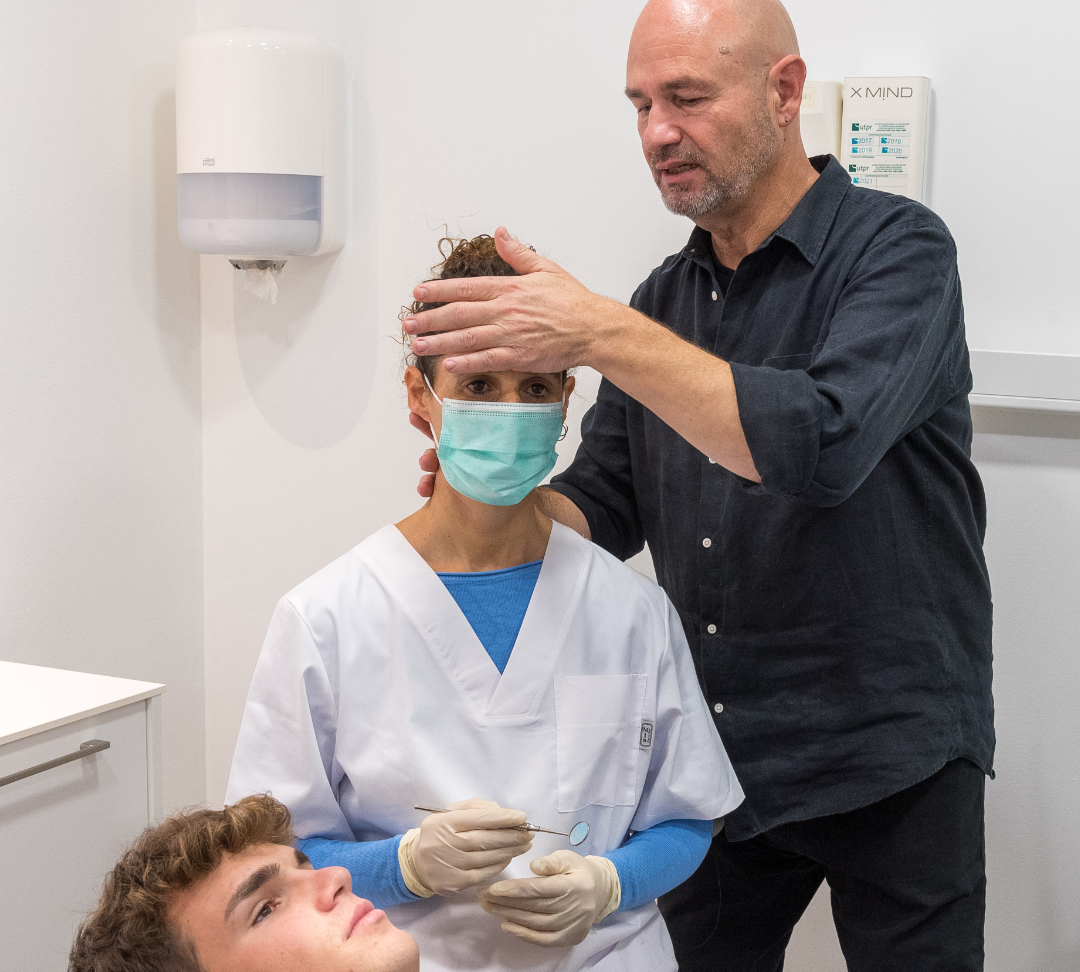
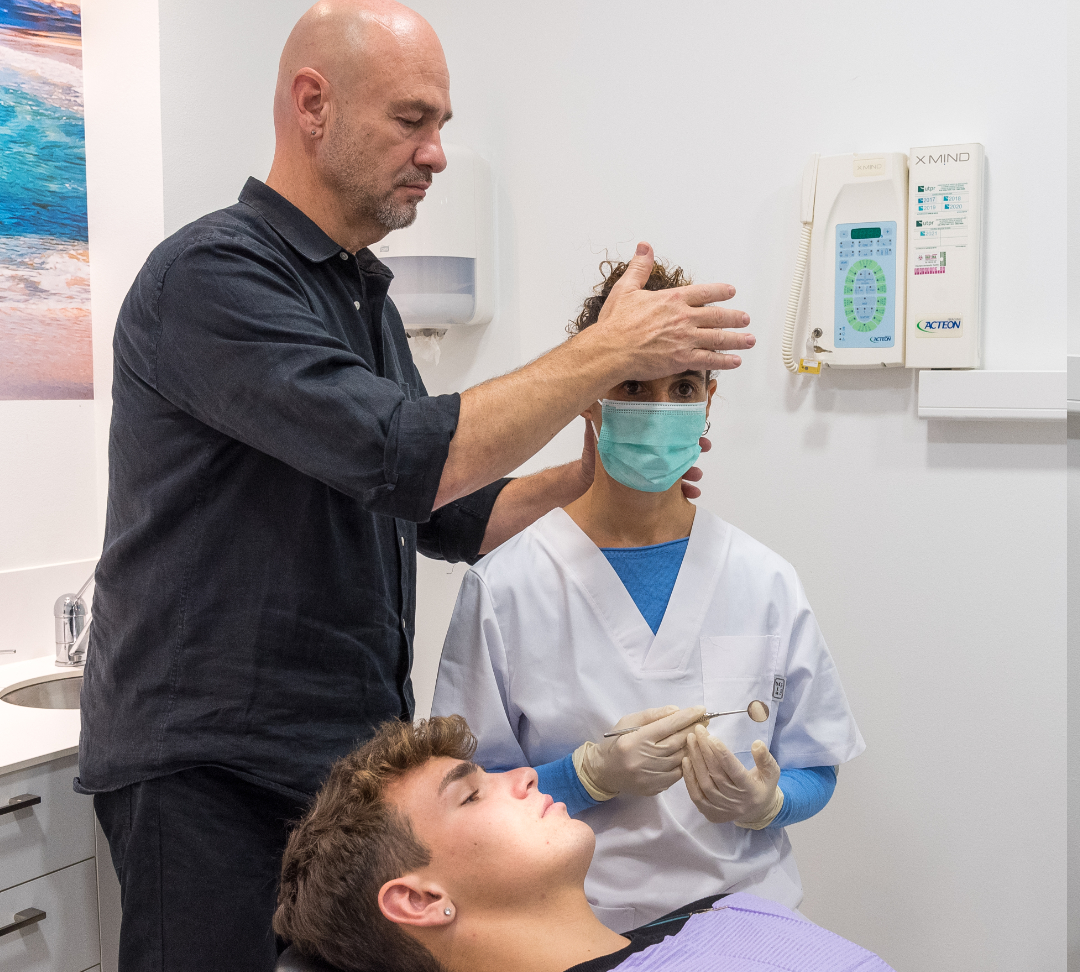
Importance of the atlanto-occipital joint when preparing our work posture
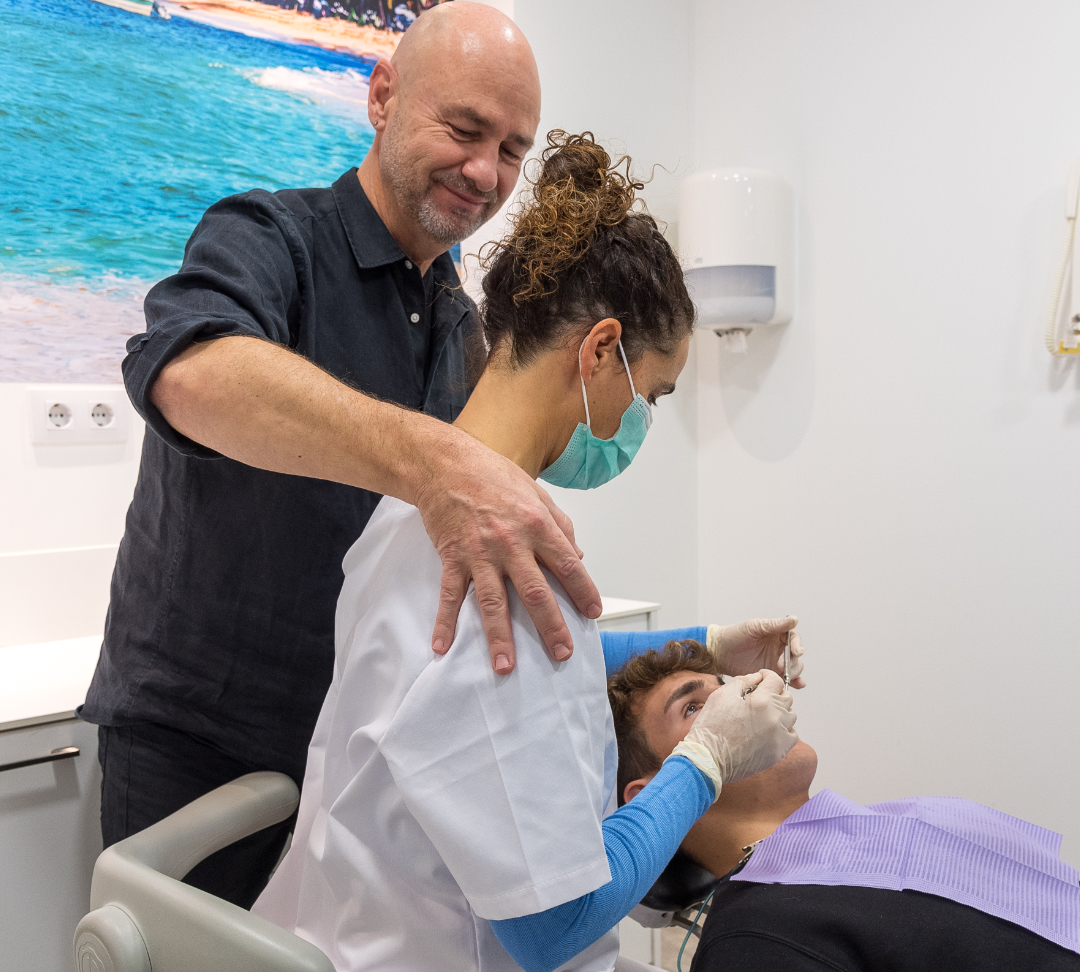
Title
Maintain shoulder width
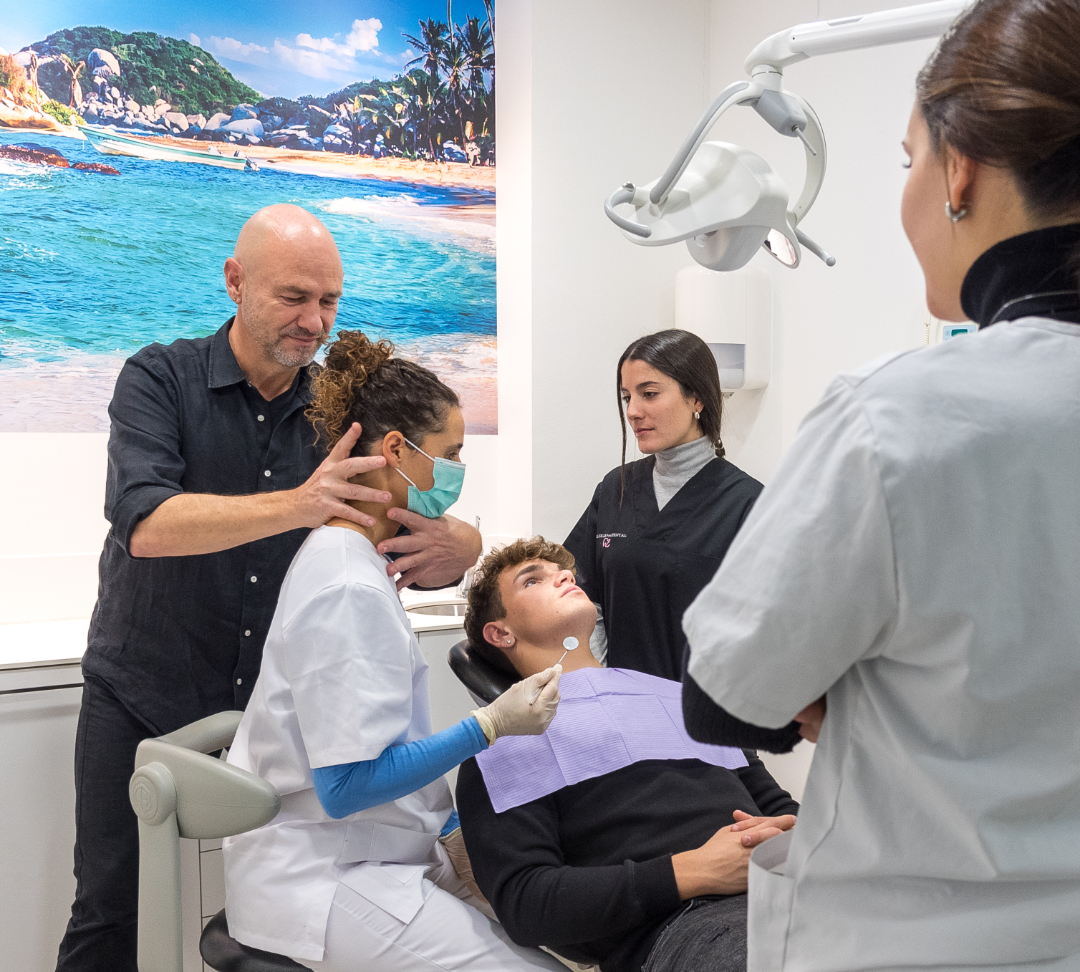
Title
Maintain shoulder width
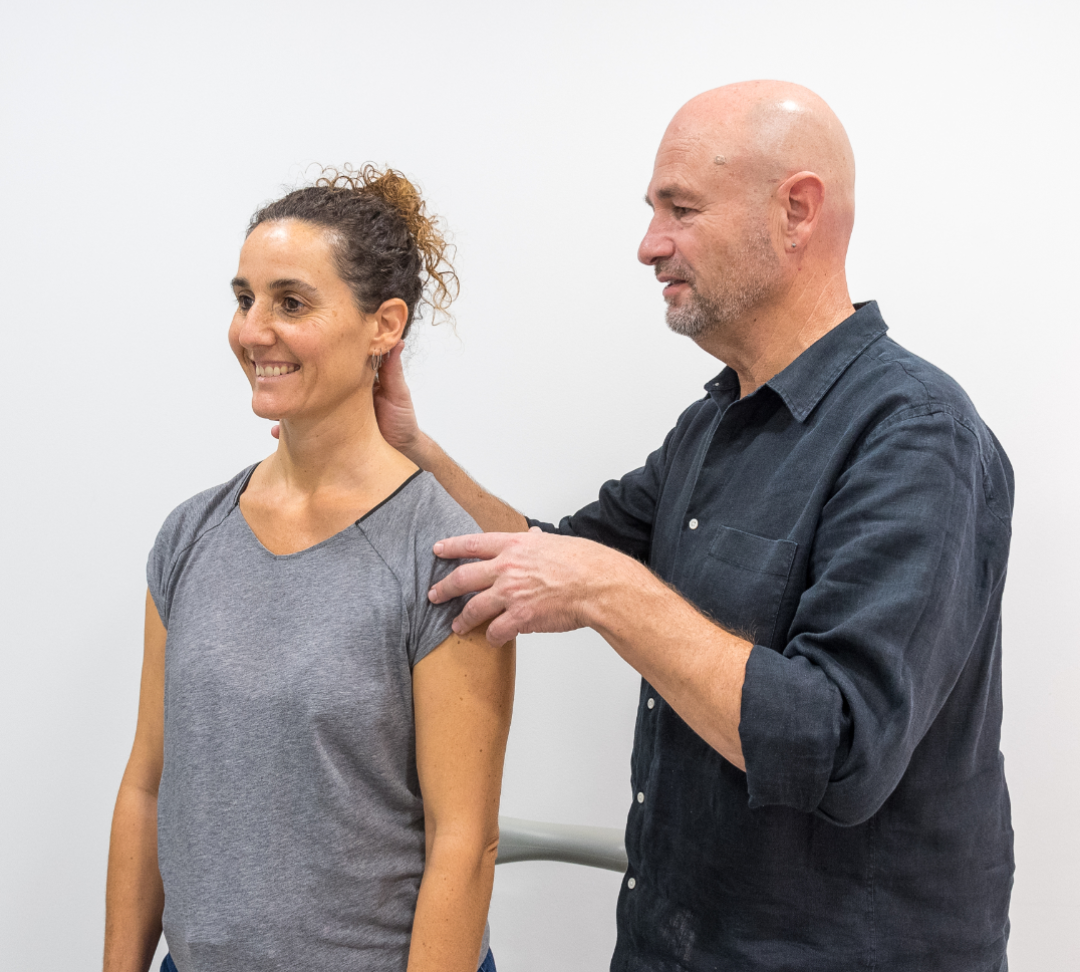
Title
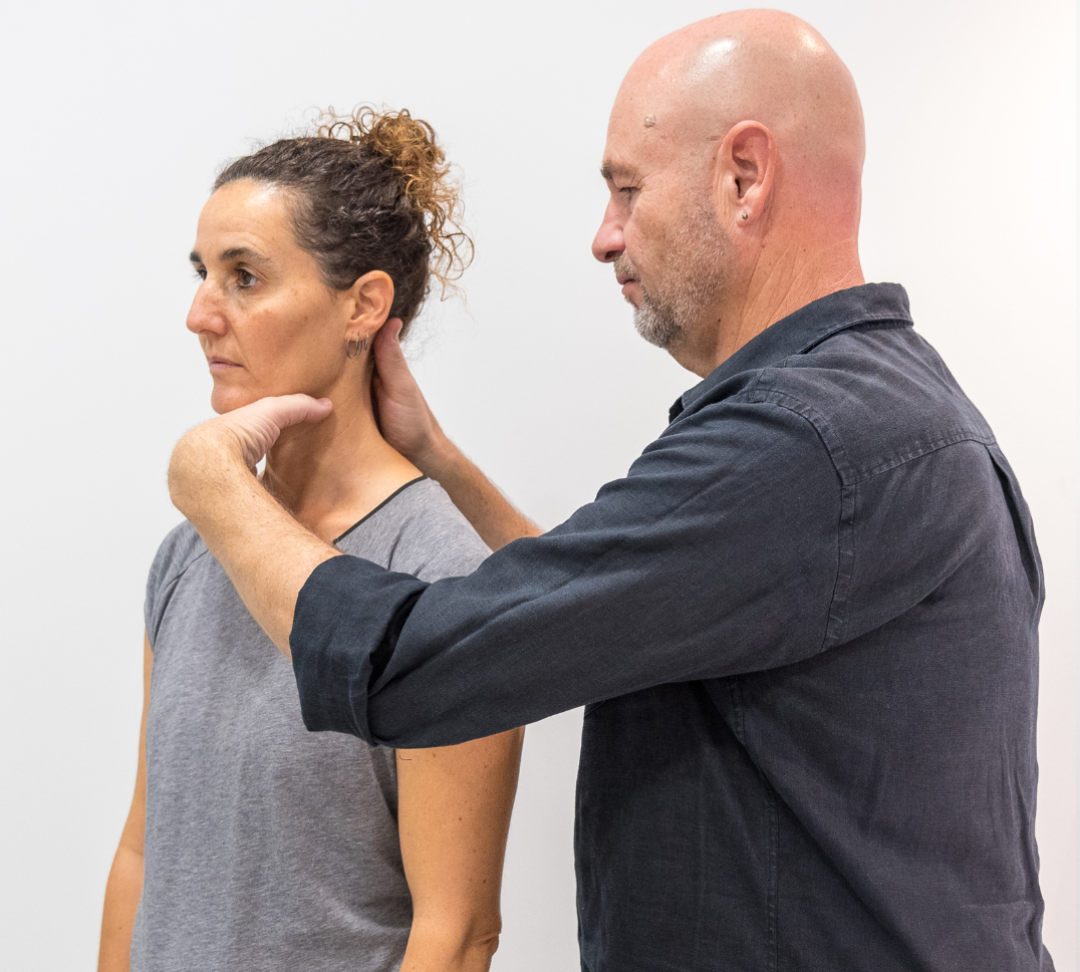
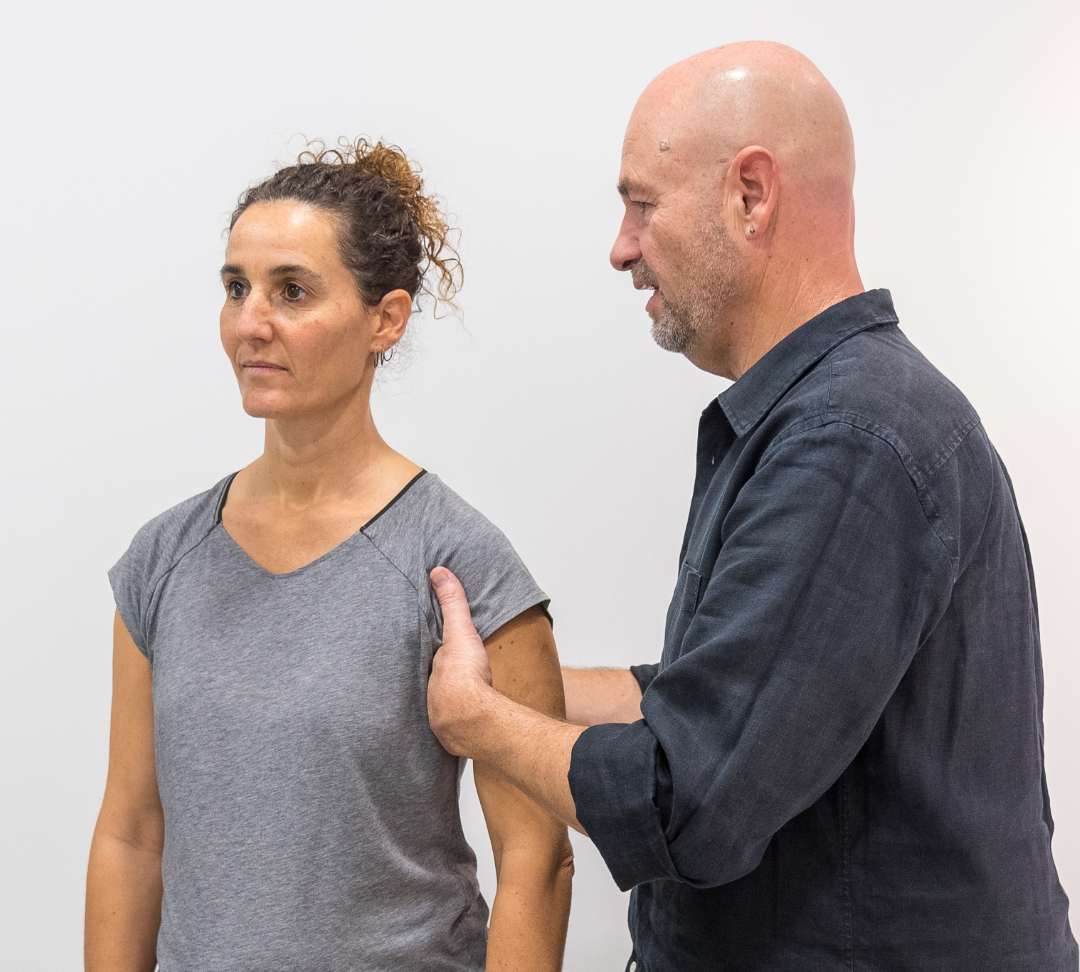
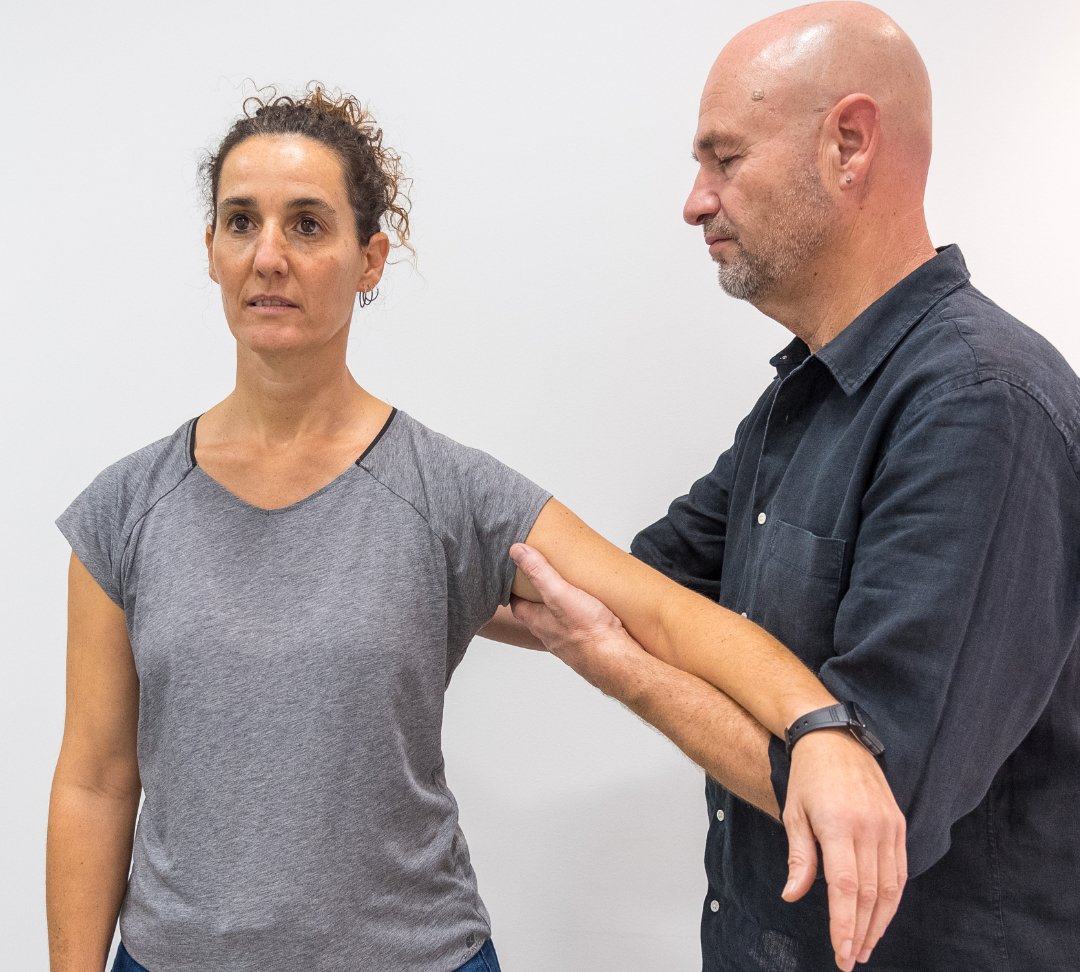
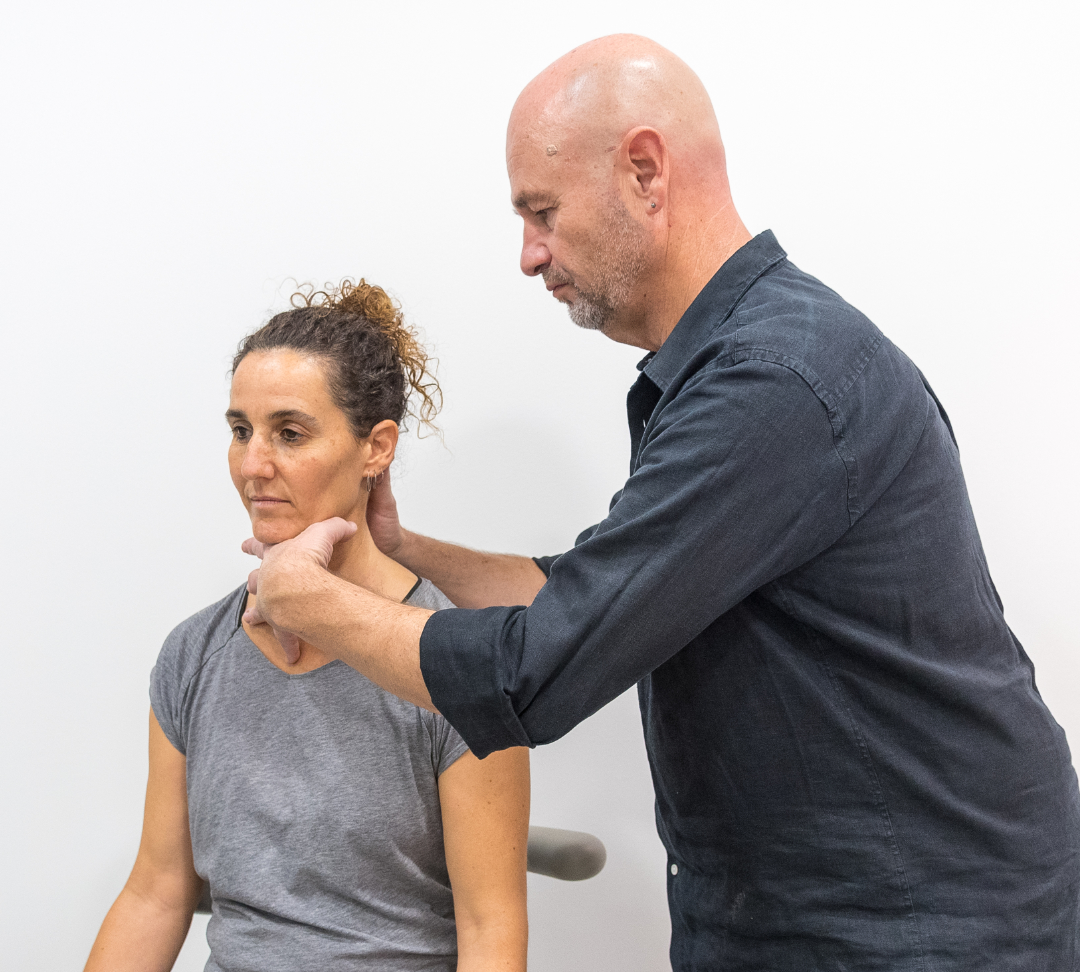
Analysing, recognising and stopping tension patterns during a one-to-one session
Title
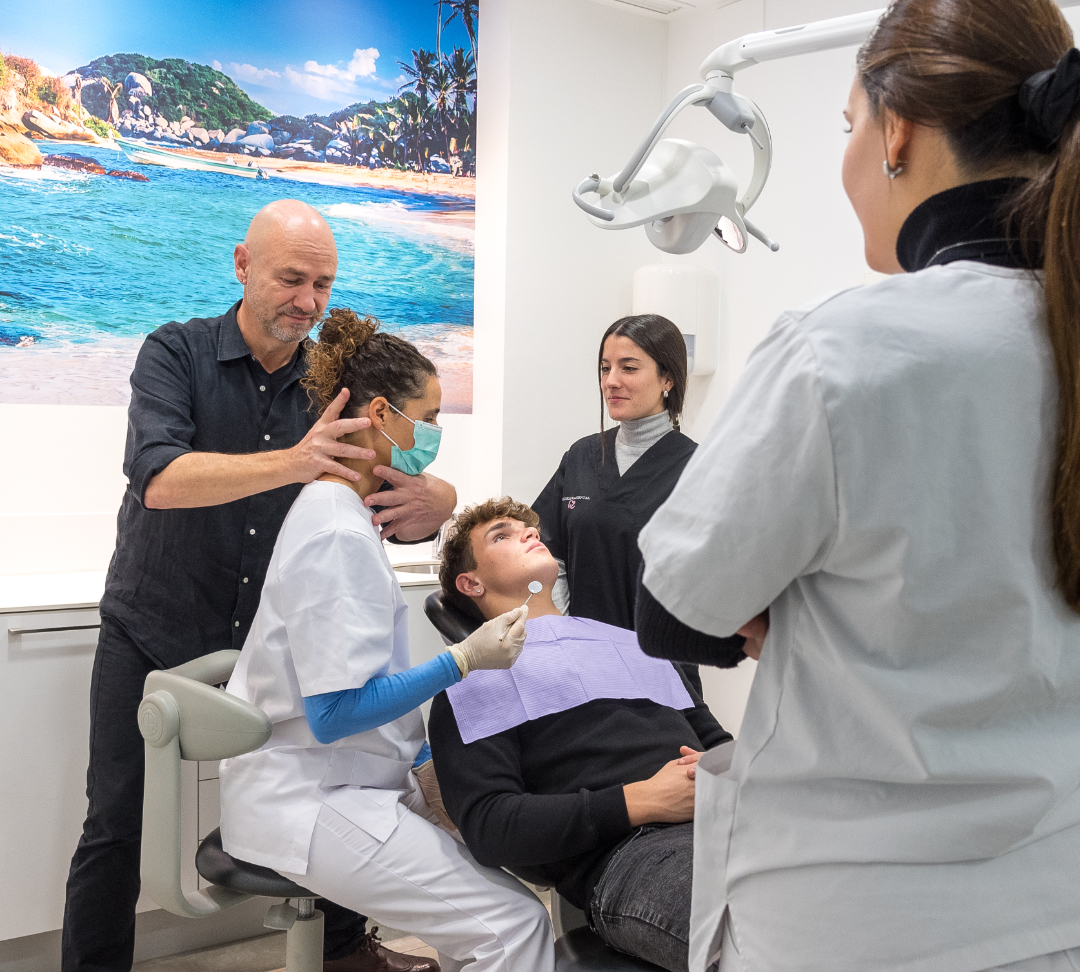
One-to-one sessions
Title
One-to-one sessions
Title
One-to-one sessions
Title
One-to-one sessions
Title
One-to-one sessions
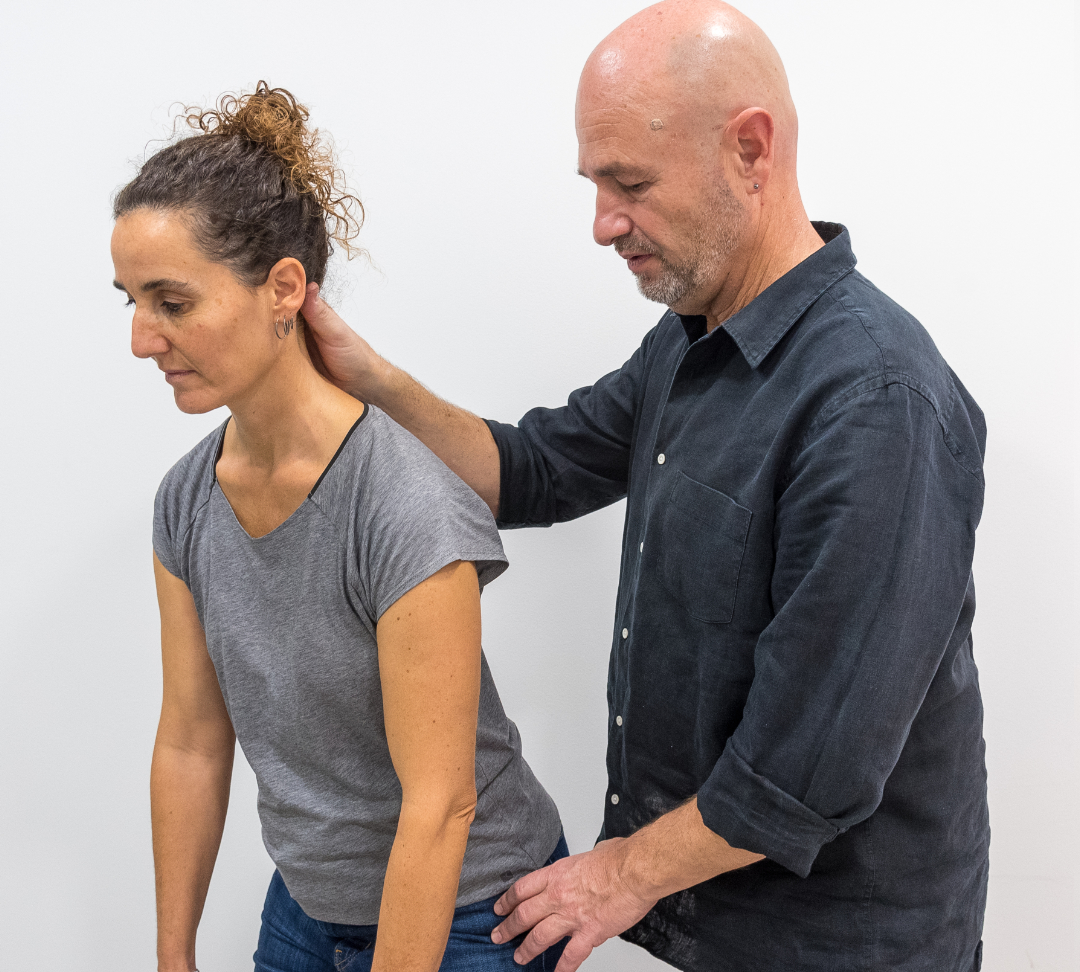
Title
Learning to keep the head balance
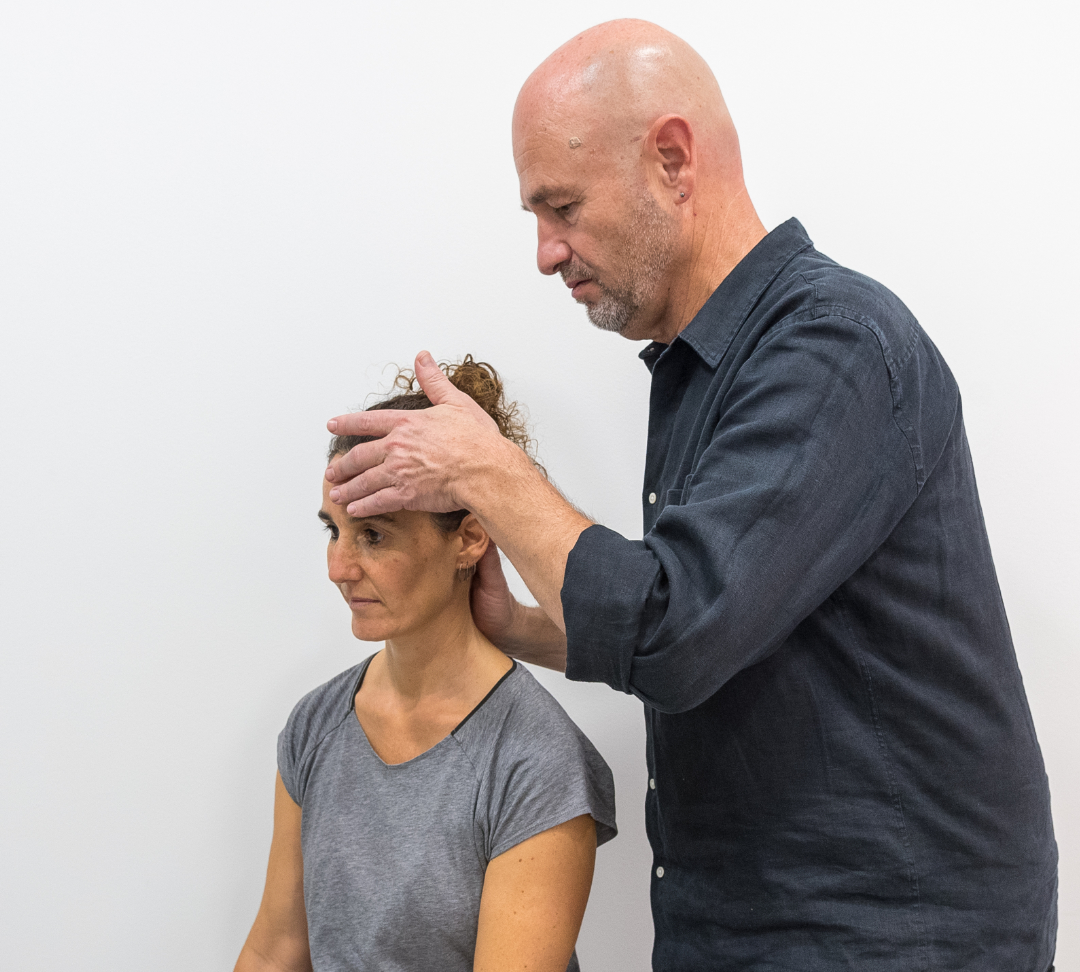
Title
One-to-one sessions
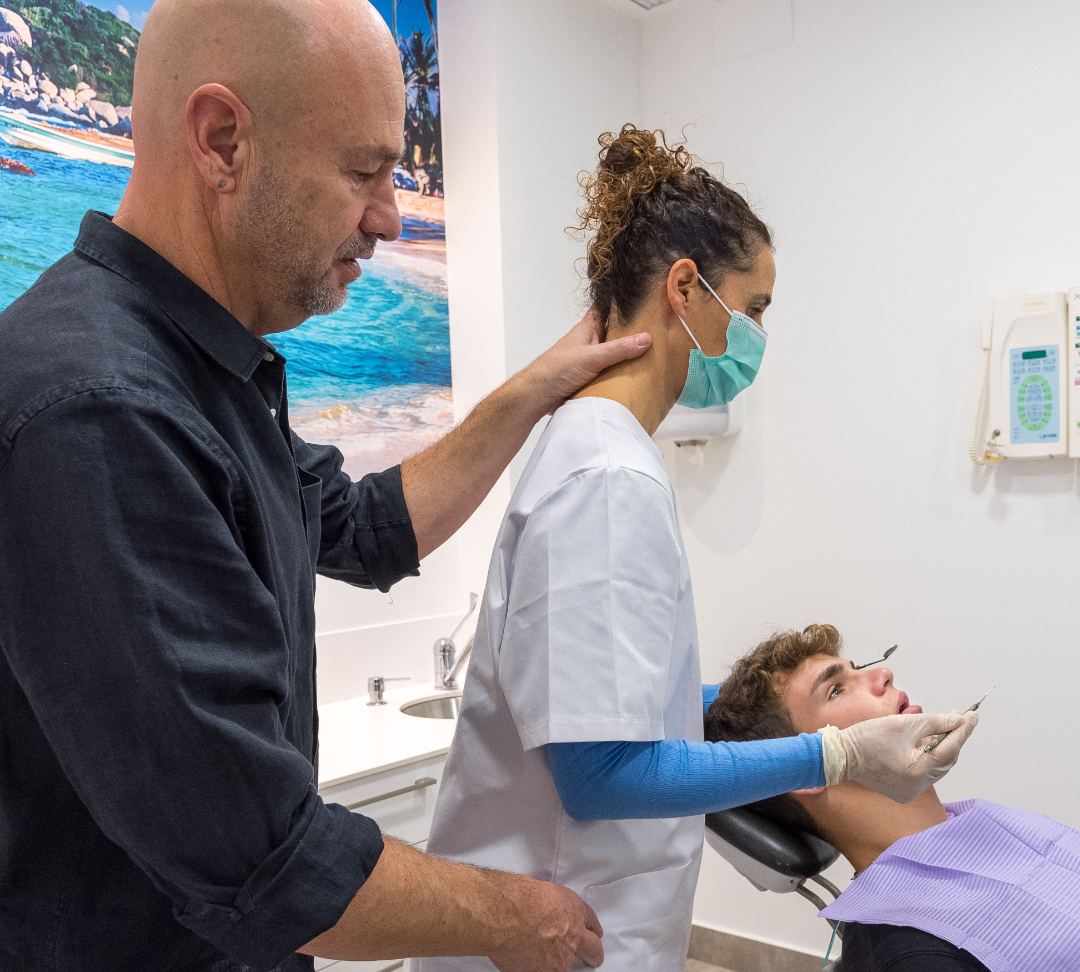
Title
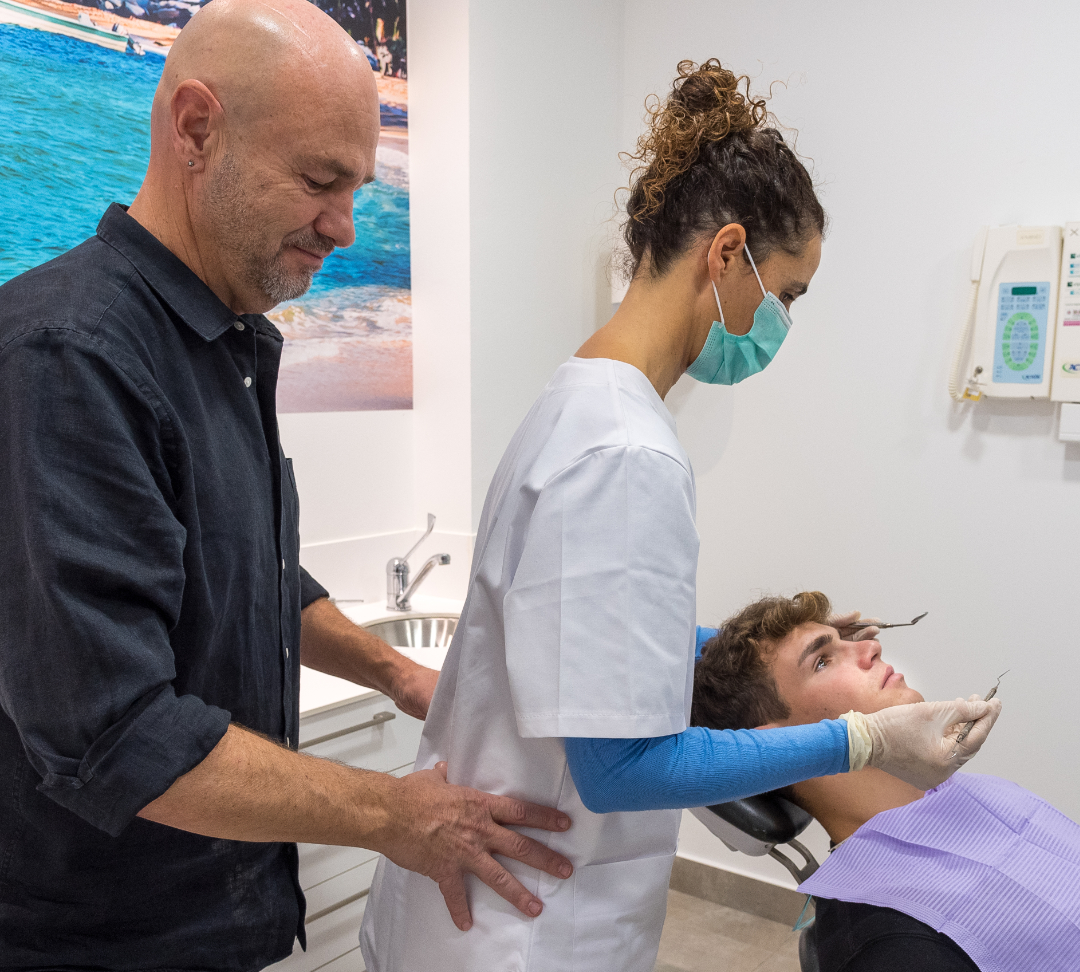
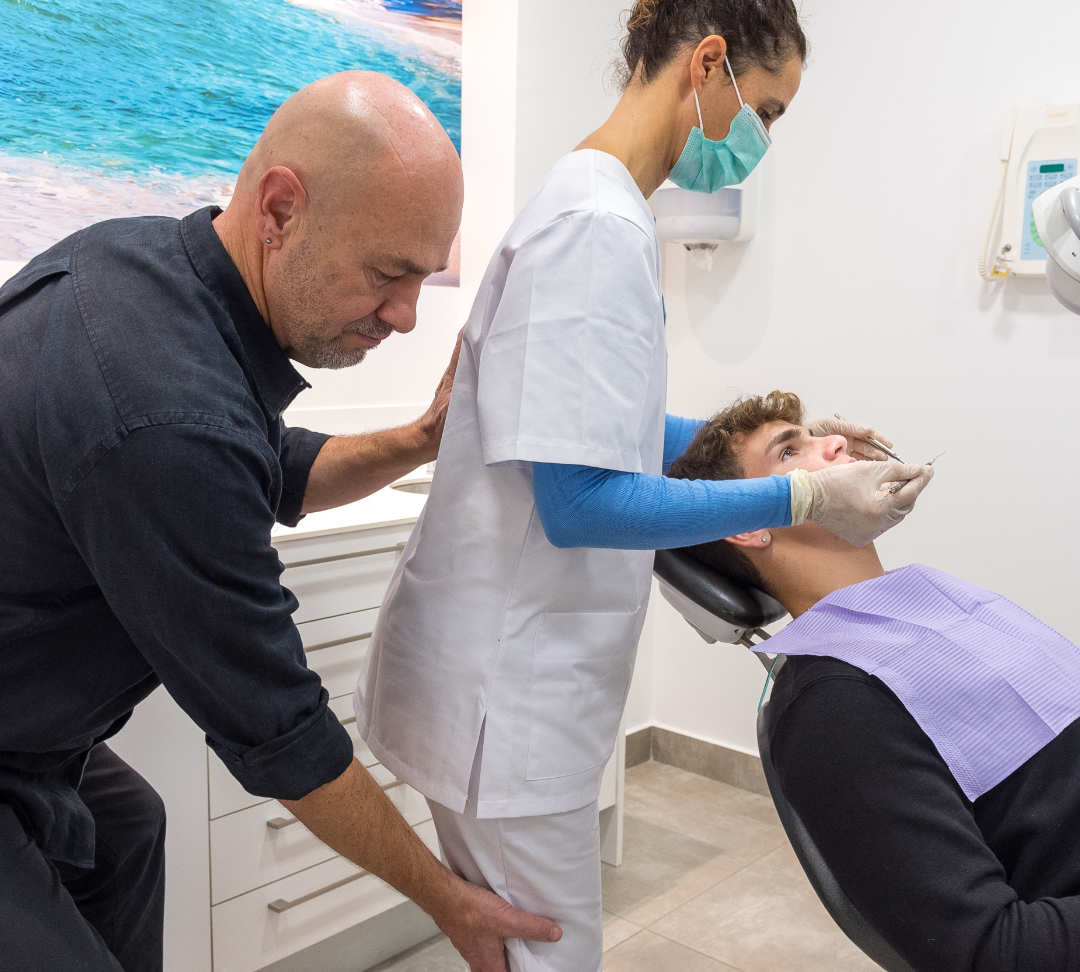
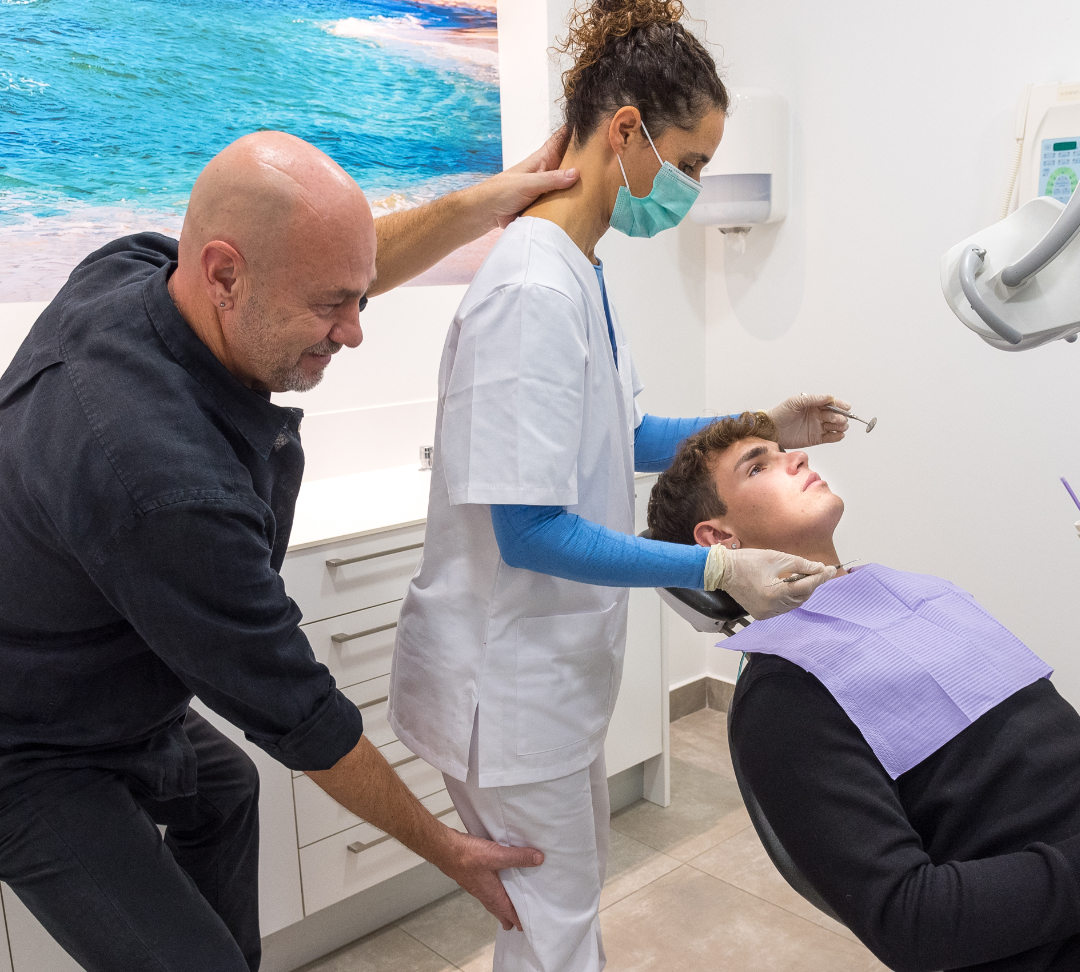
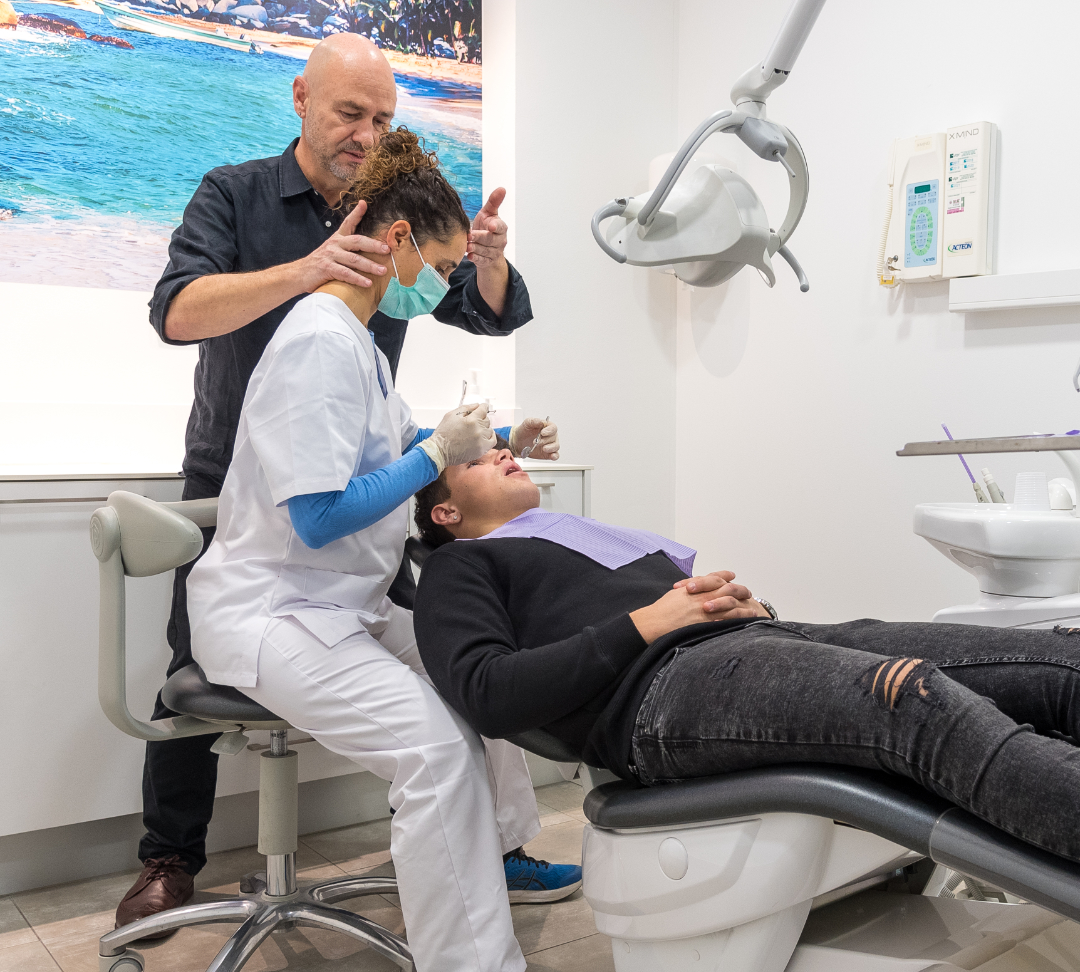
Dynamic bending according to the biomechanical principles of posture
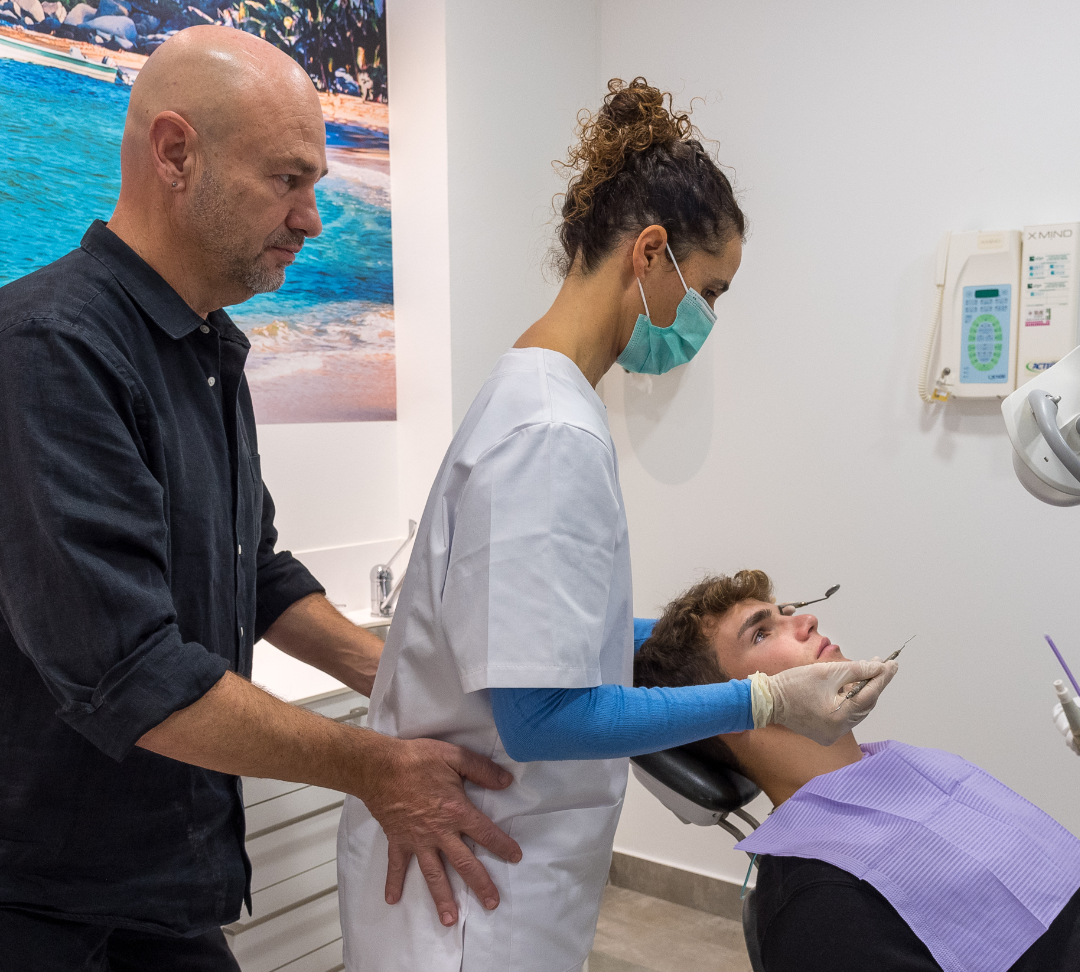
Title
Dynamic bending according to the biomechanical principles of posture
Title
Dynamic bending according to the biomechanical principles of posture
Title
Dynamic bending according to the biomechanical principles of posture
Title
Dynamic bending according to the biomechanical principles of posture
Title
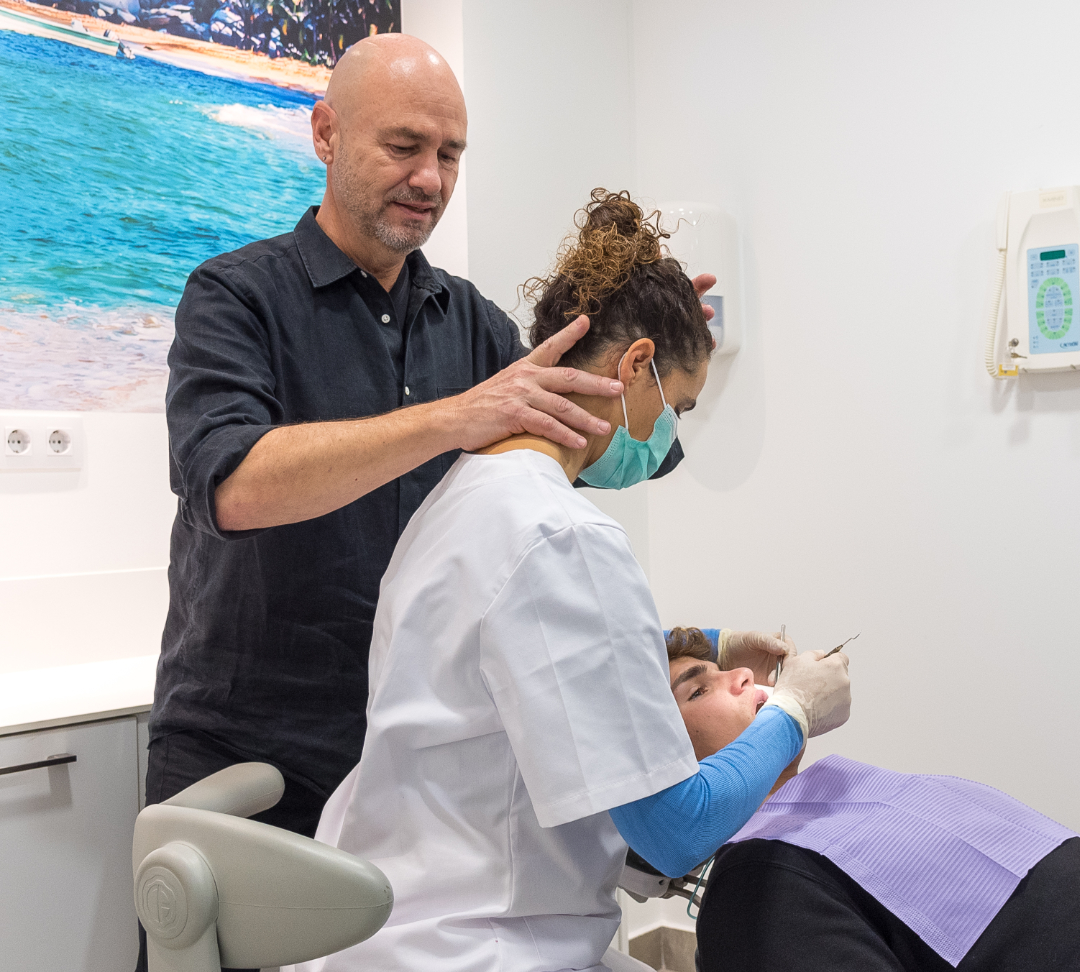
Head balance
Title
Learn to keep the head balance
Title
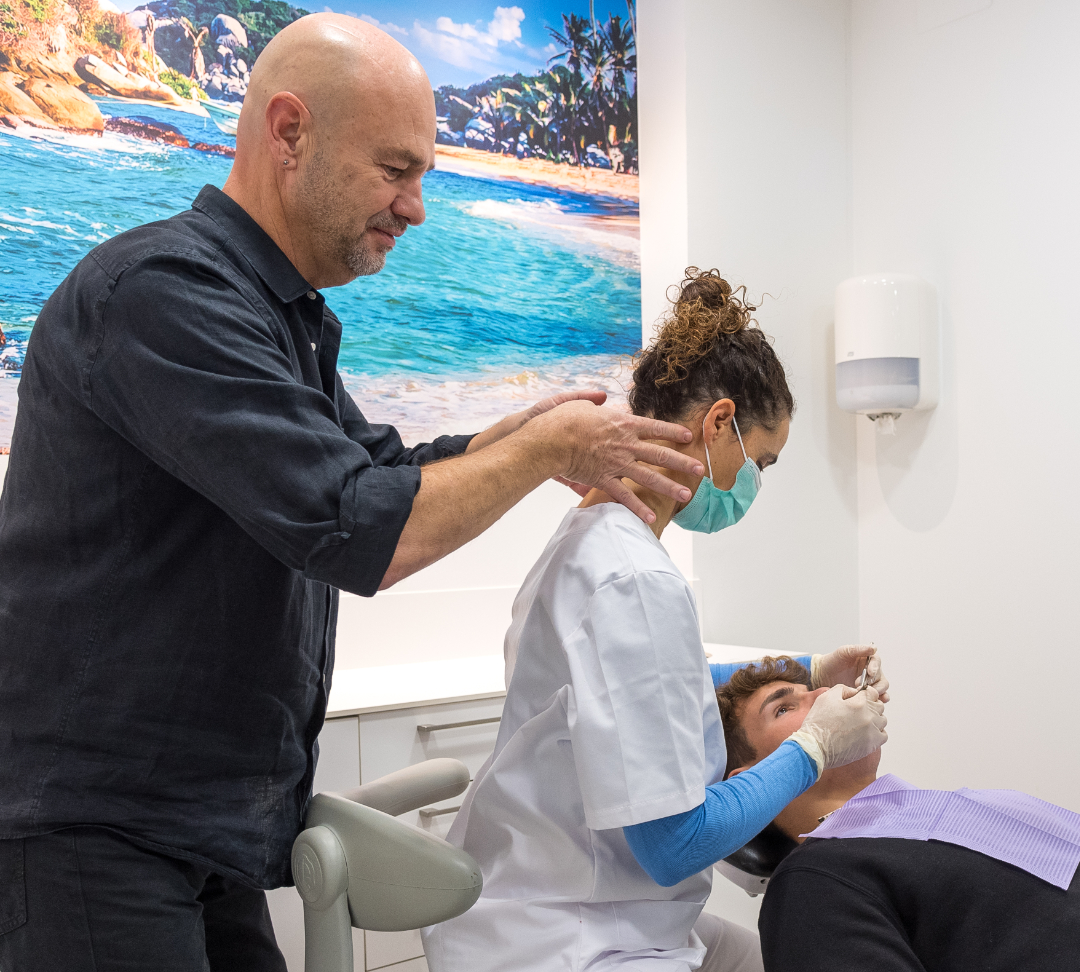
Preventing unnecessary neck tension
Title
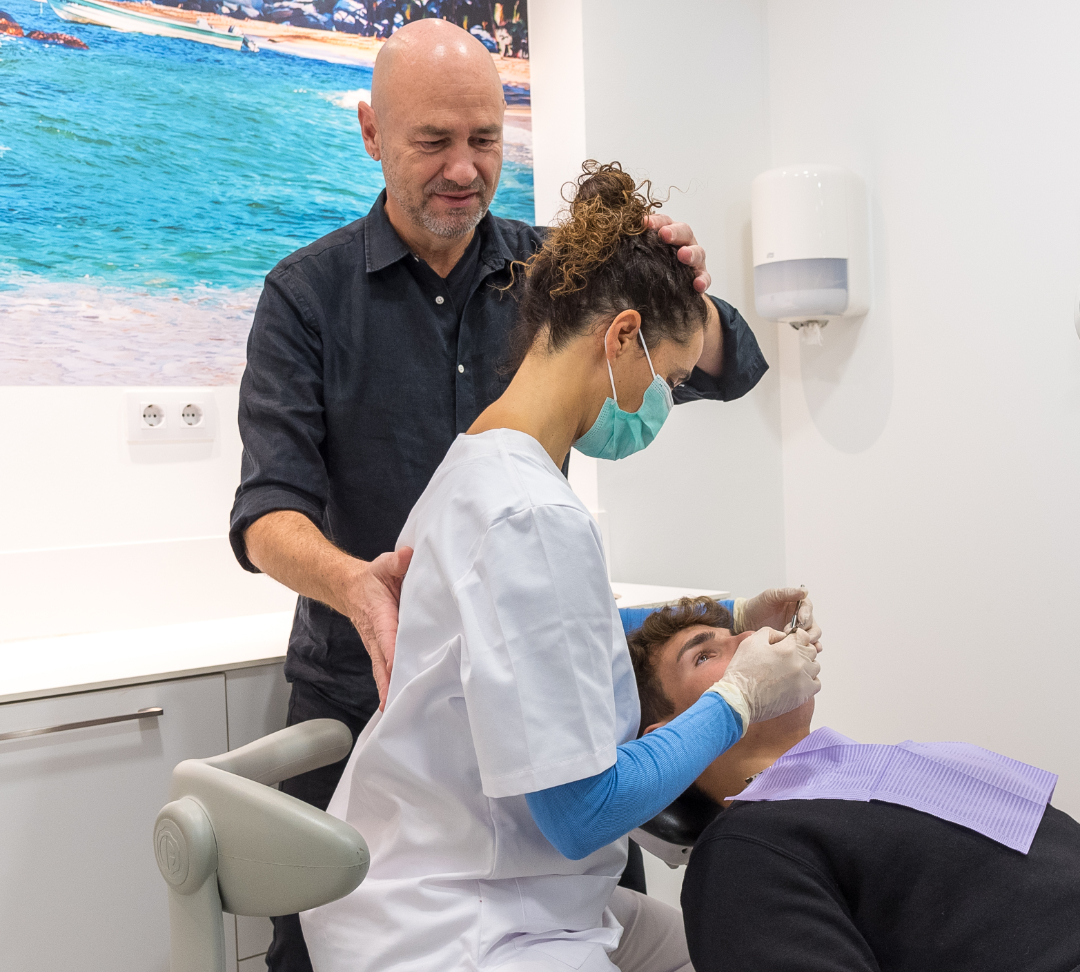
The back gives support
Title
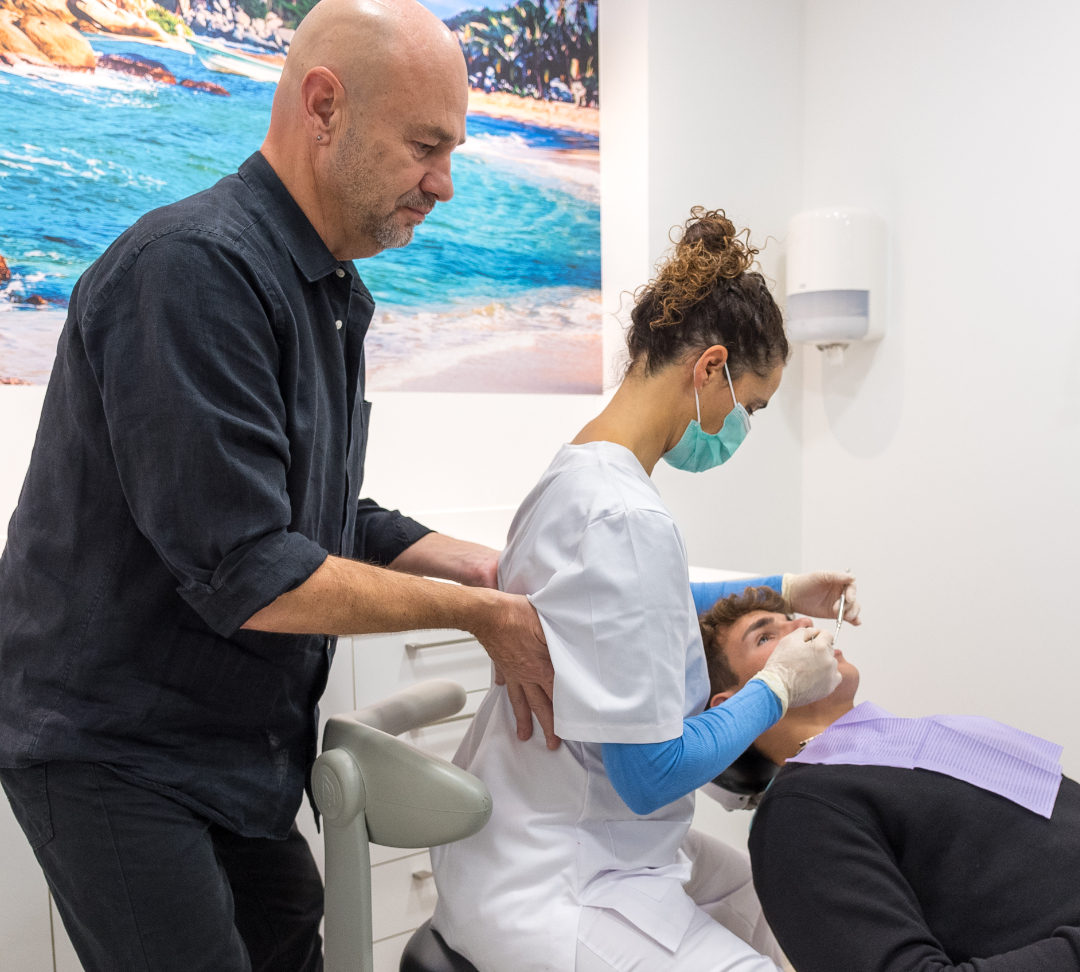
Maintaining easy breathing
Title
Title
Title
Title
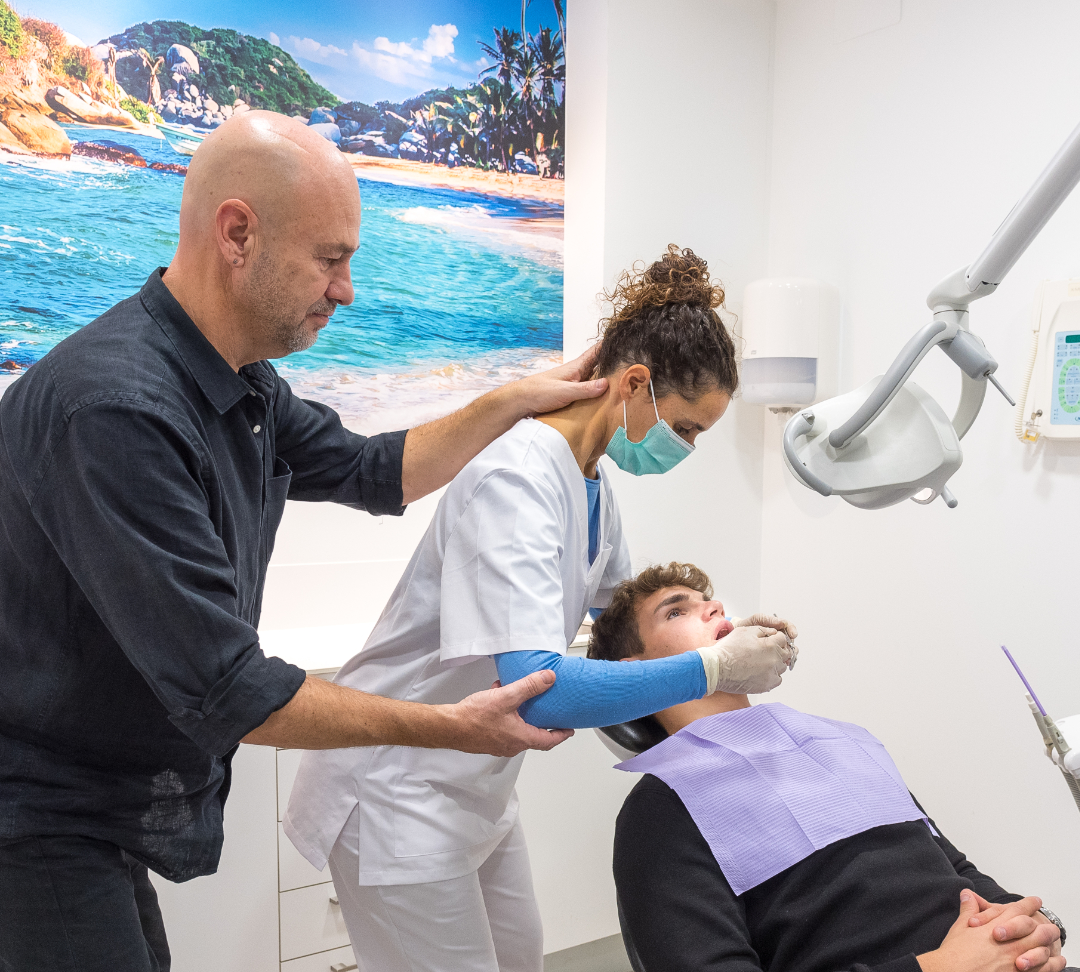
Hands and arms with back support and head balance
Title
Hands and arms with back support and head balance
Title
Hands and arms with back support and head balance
Title
Hands and arms with back support and head balance
Title
Hands and arms with back support and head balance
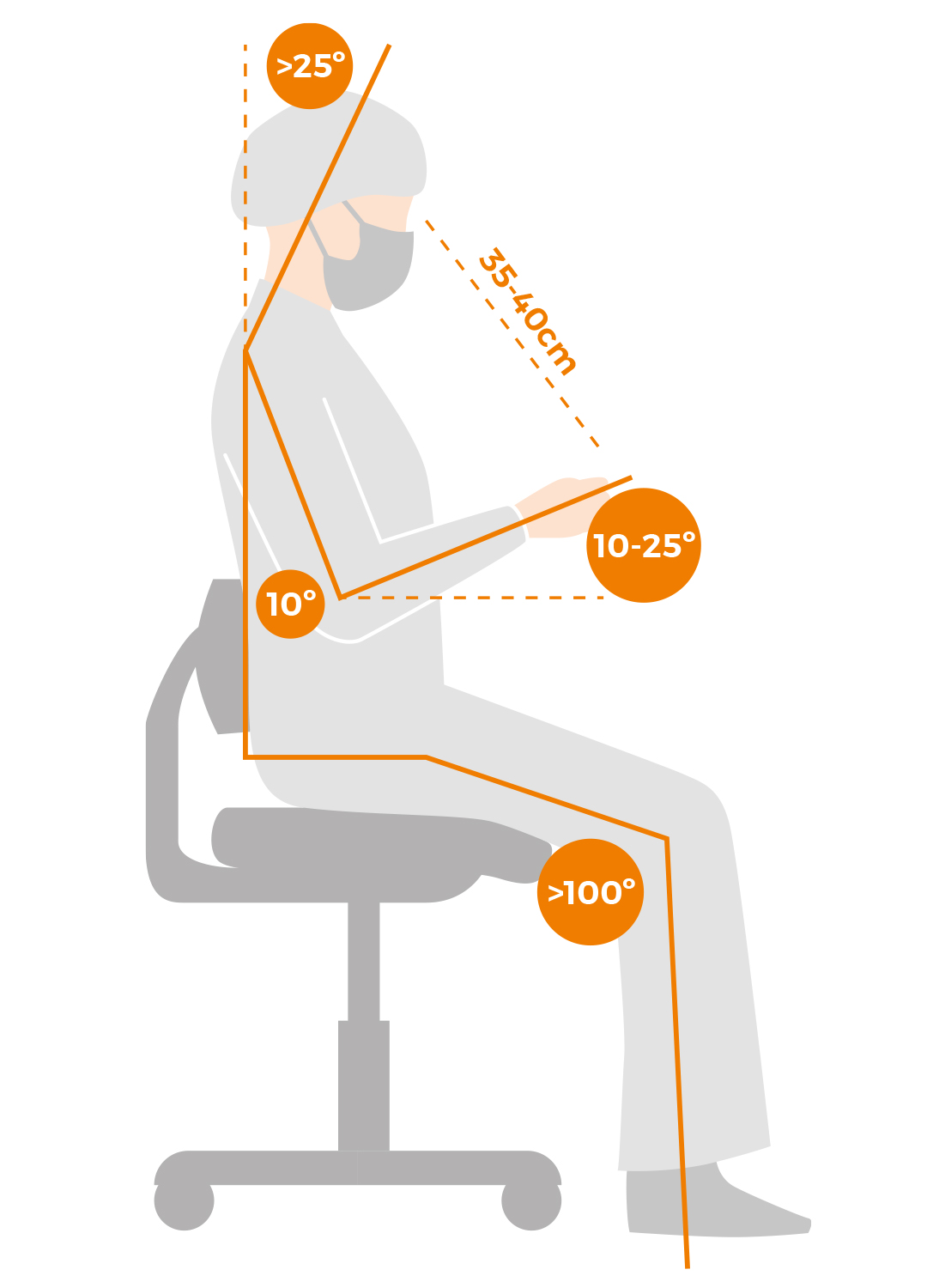
The neutral posture concept results from research into general ergonomics that has been adapted to dental practice.
Its main characteristics are the following:
- Straight back, respecting body symmetry and avoiding rounding the back in a “C” shape.
- Trunk inclination forward to a maximum of 20° maximum.
- Head inclines forward to a maximum of 20-25° from the trunk.
- Arms along the body, oriented forward at 10°, forearms lifted to 25° from the horizontal line.
- The angle between the thighs and the leg (lower part) must be 105-110° or more.
- Thighs must be apart up to 45°, avoiding getting a rigid hip joint.
- Legs must be perpendicular to the ground or slightly back.
- Feet on the ground oriented forward on the same level as the legs, symmetrically below the hands.
However, although there is a consensus as to the optimal work postures, evidence shows that it is difficult to put it into practice. Why is that? Because of posture habits.
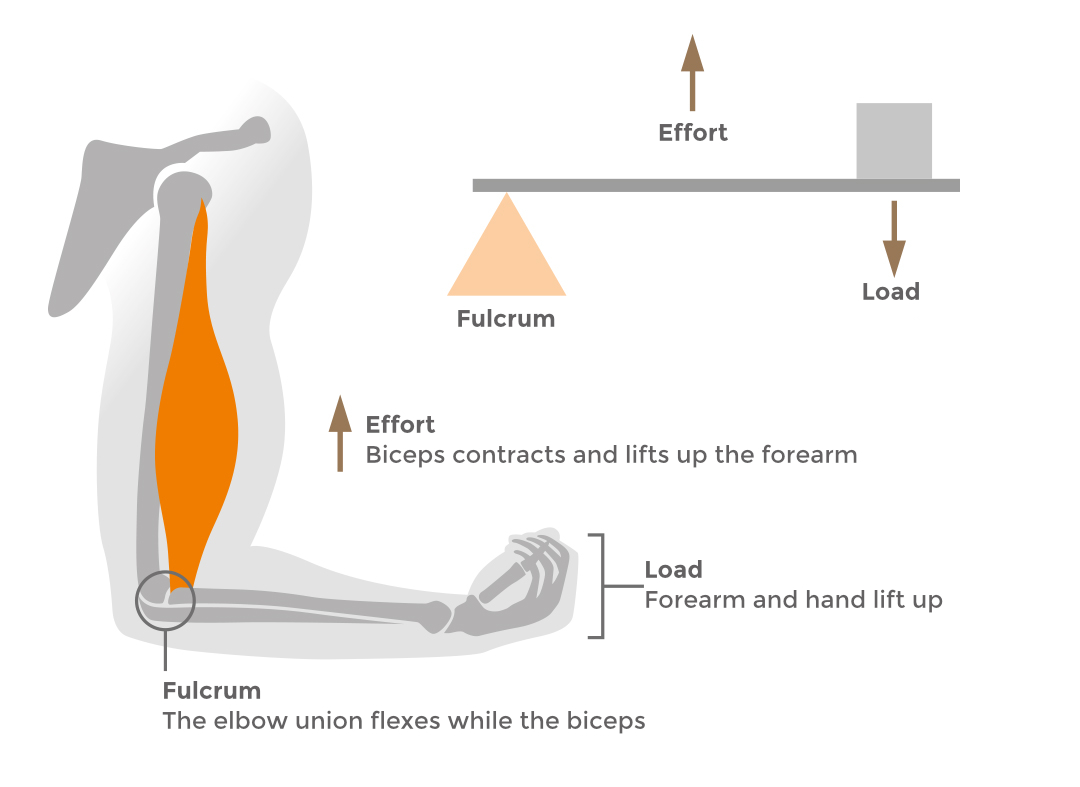
The arm is a system made of two levers that move and position the hand, which is designed to grab and manipulate objects. Those levers allow placing the hand in a wide reach around the body in order to execute different movements.
KEY GOALS OF THE TRAINING:
- To become more aware of forced postures and our own unnecessary tension habits.
-
To offer a scientifically consistent theoretical framework that can be applied to the workplace.
- To offer practical tools to look after yourself every day (Active Rest Posture)
- To improve basic “neutral” postures, both seated and standing.
- To significantly improve pain or discomfort caused by forced postures in the cervical area, shoulders, lower back, arms, hands and wrists.
- To significantly reduce time off work.
HAVE YOU GOT ANY QUESTIONS?
Get in touch if you have any questions related to our training sessions.