WHO FOR, WHY?
This Postural Education training to improve and prevent musculoskeletal disorders is addressed at dentists, hygienists, implant specialists, orthodontists, periodontists, assistants…
There is a high prevalence of MSDs amongst dental professionals due to the specific ergonomic risk factors involved. Those factors aren’t going away any time soon and in fact they are worsening as “new emergent risks” together with psychosocial risks. We should highlight the prolonged forced postures (PFPs) during clinical procedures with patients.
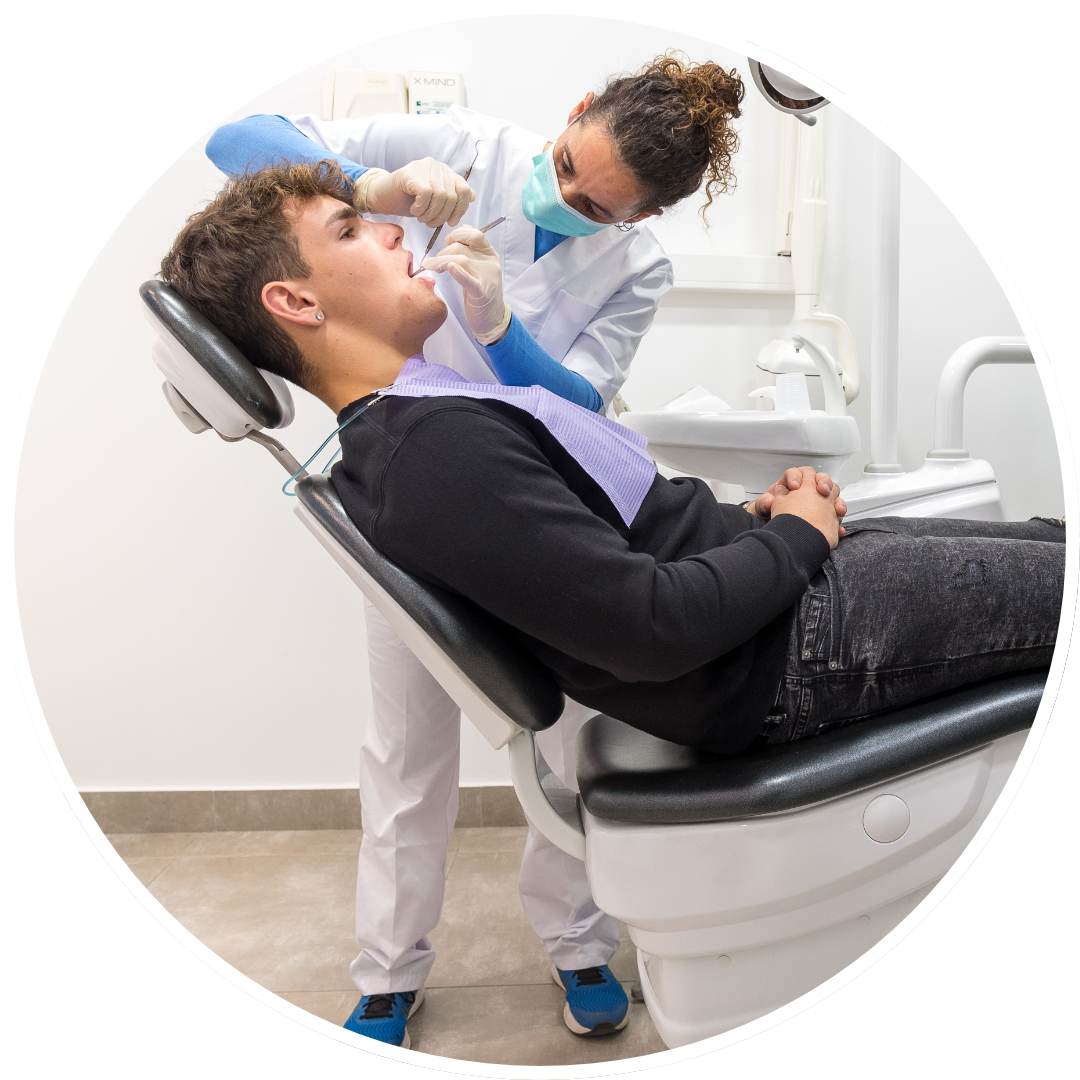
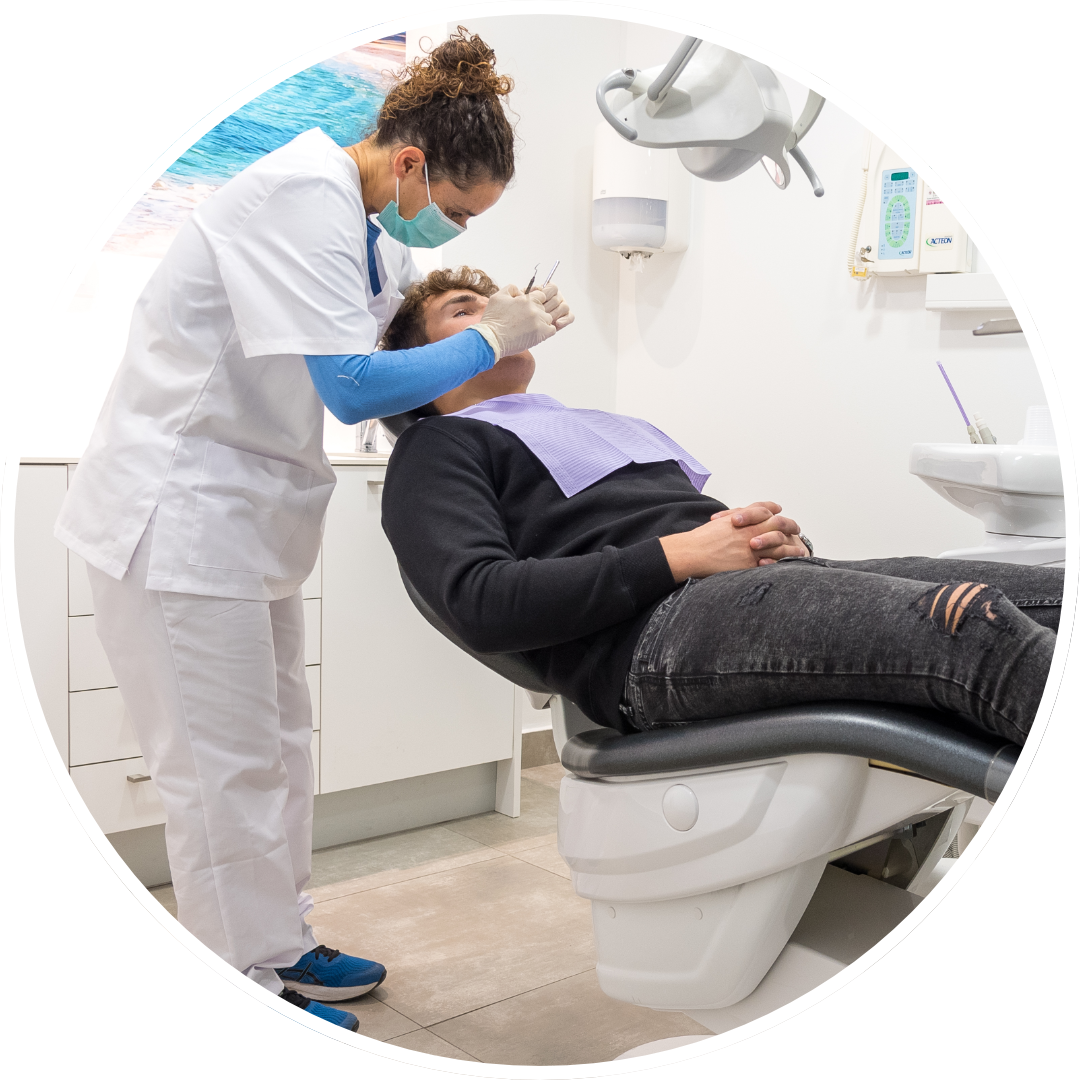
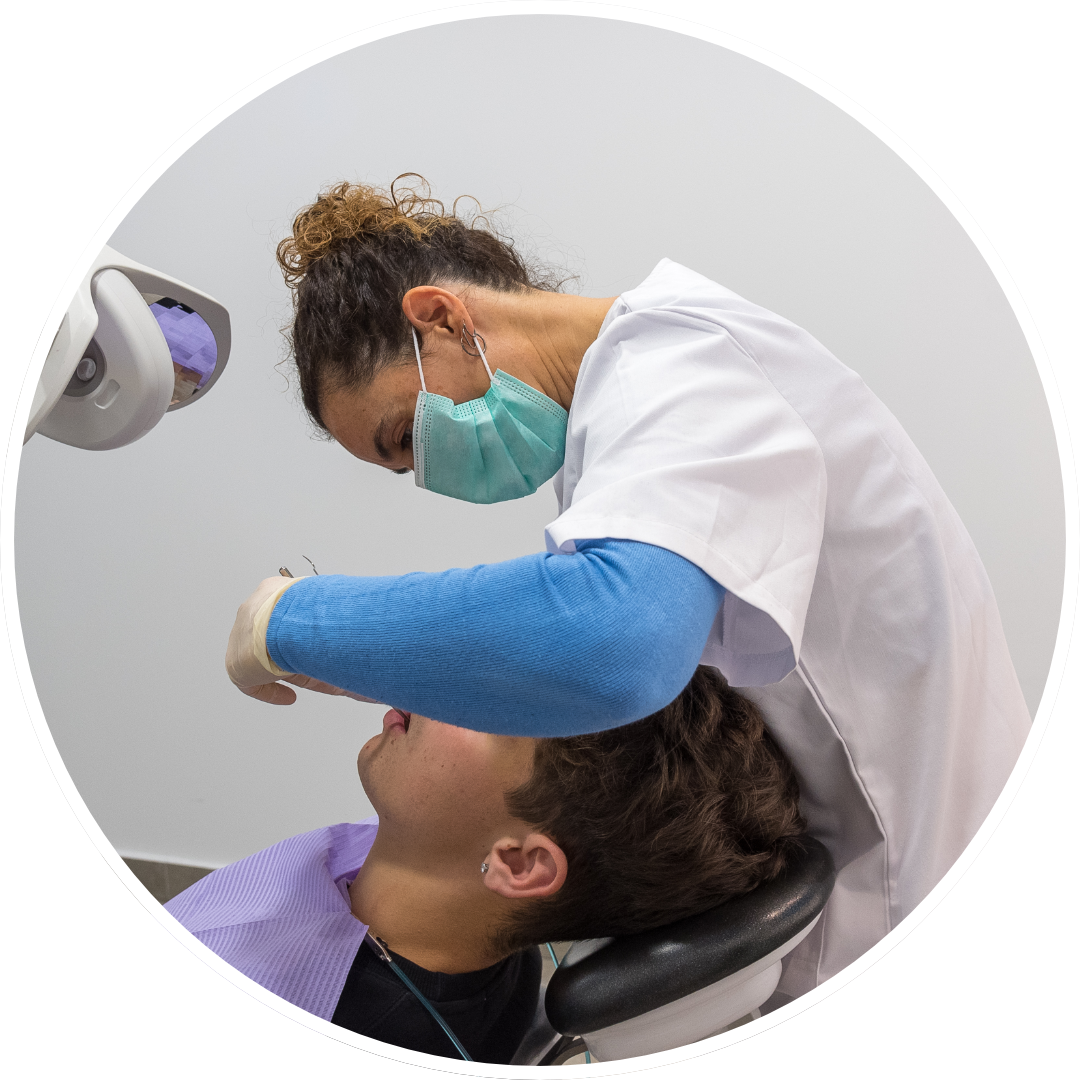
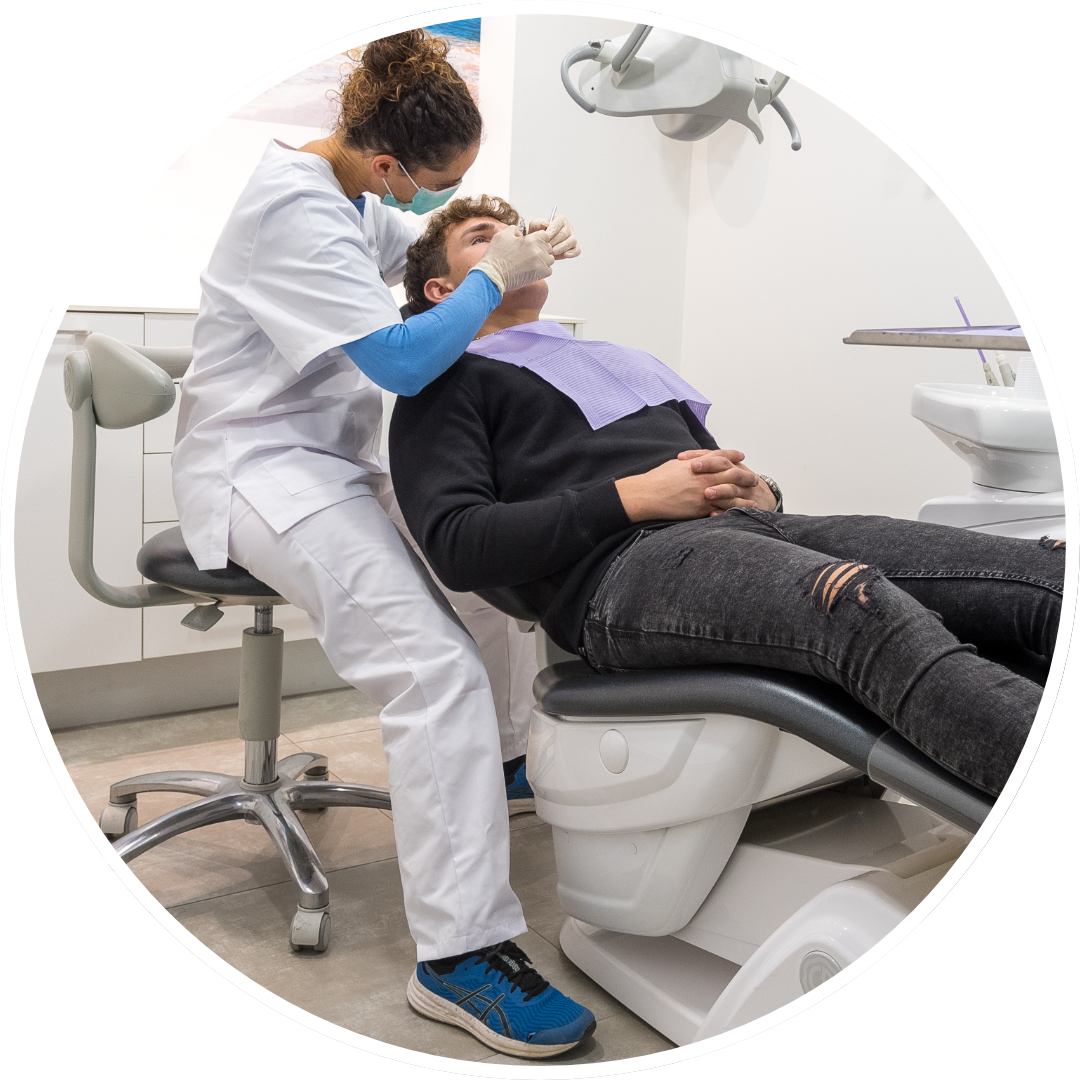
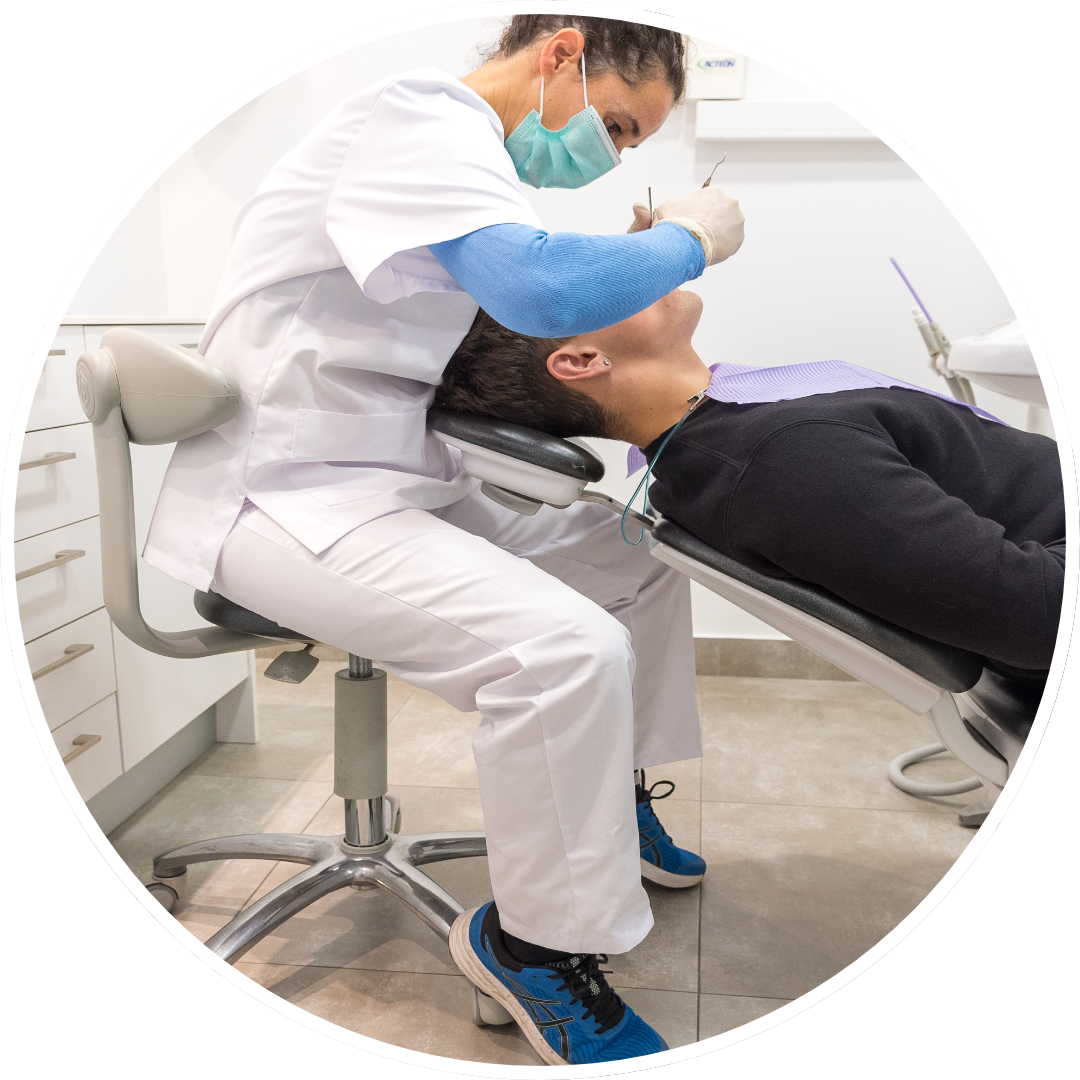
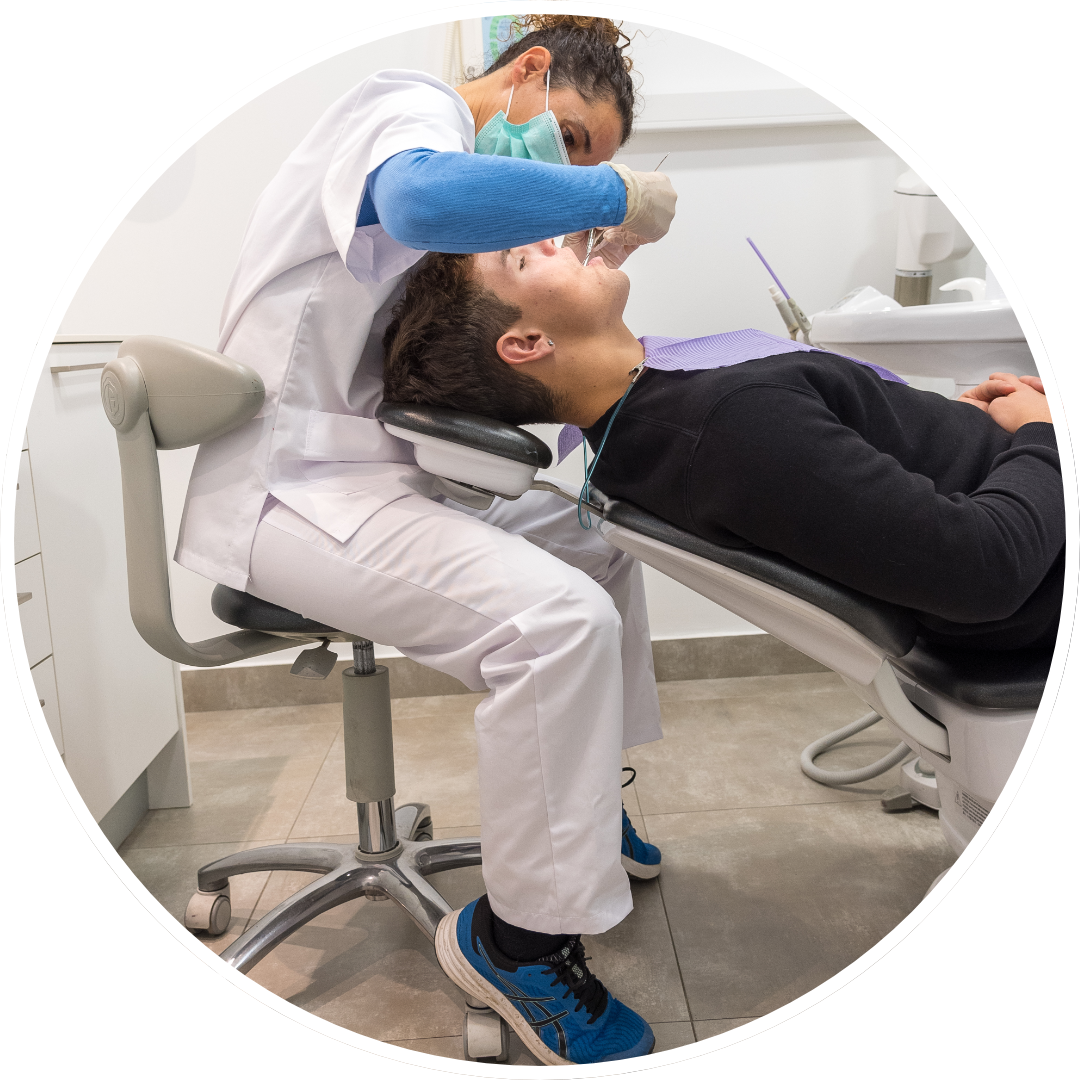
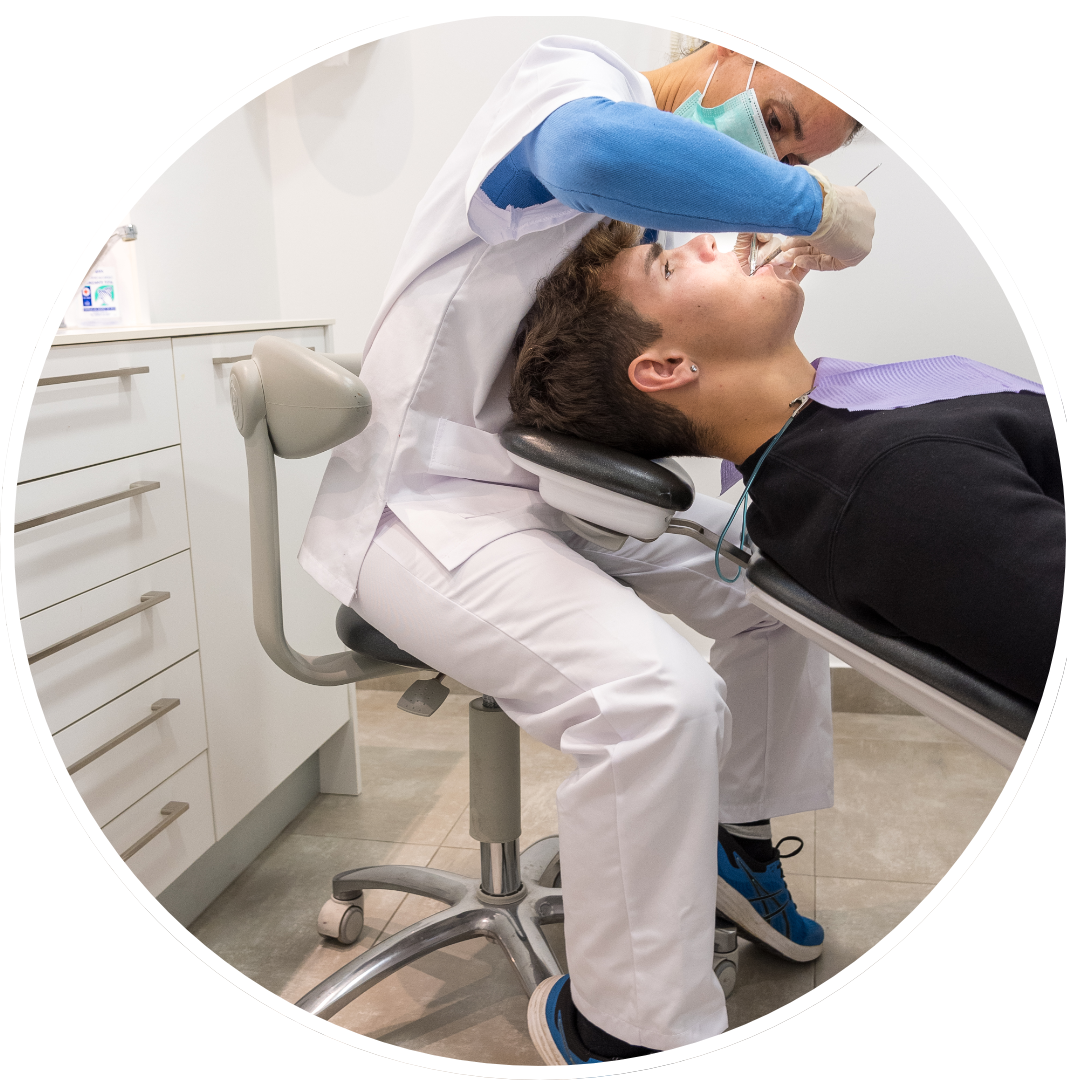
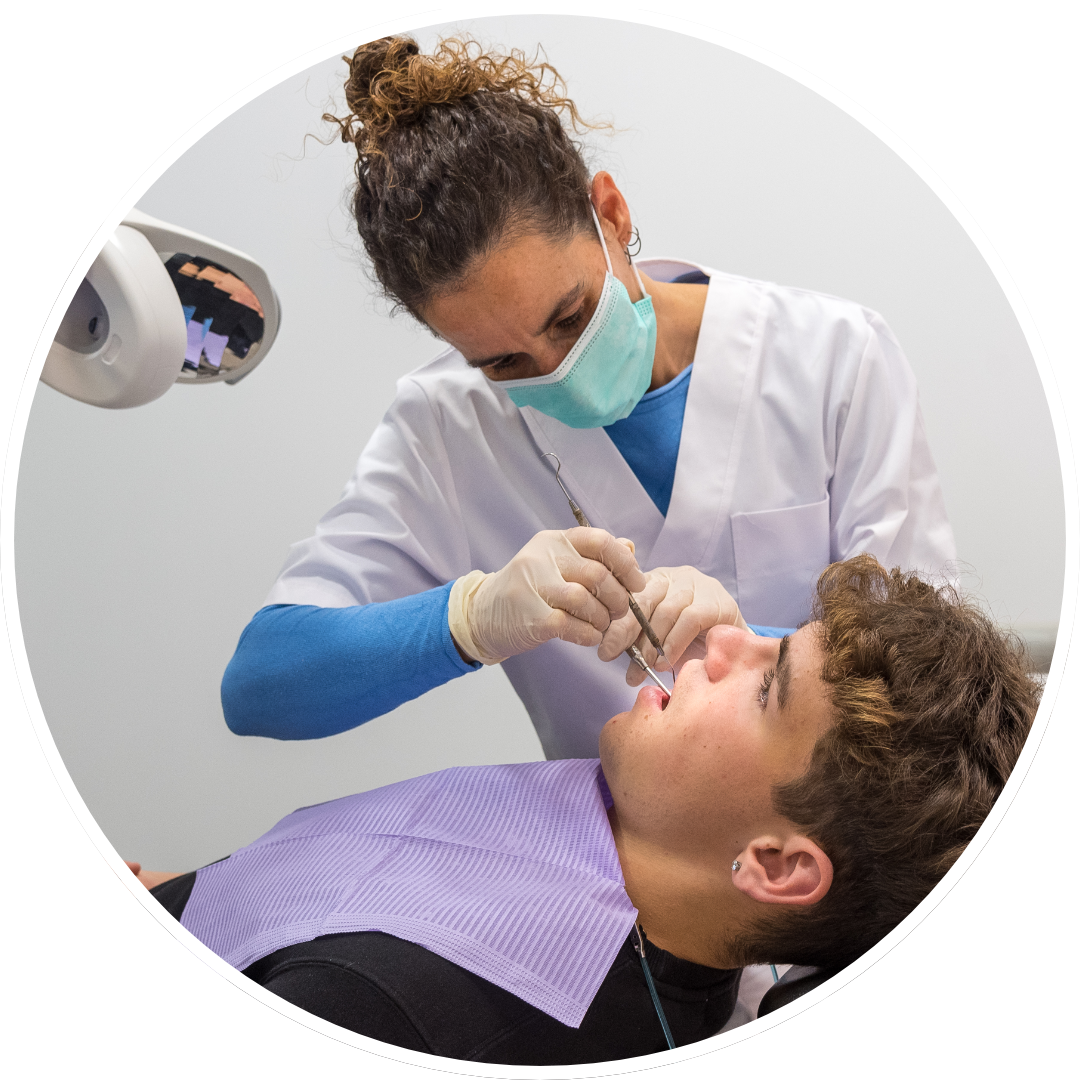
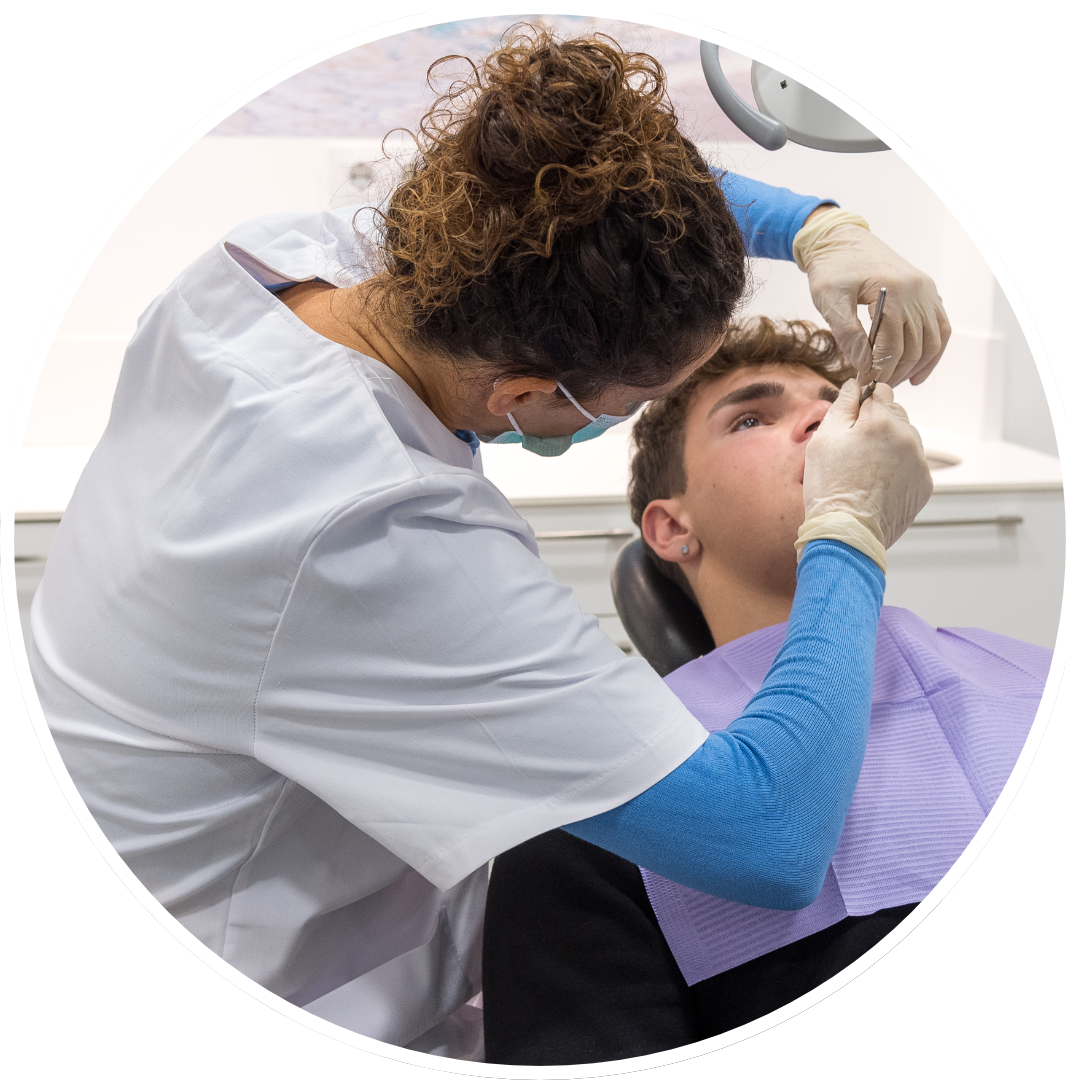
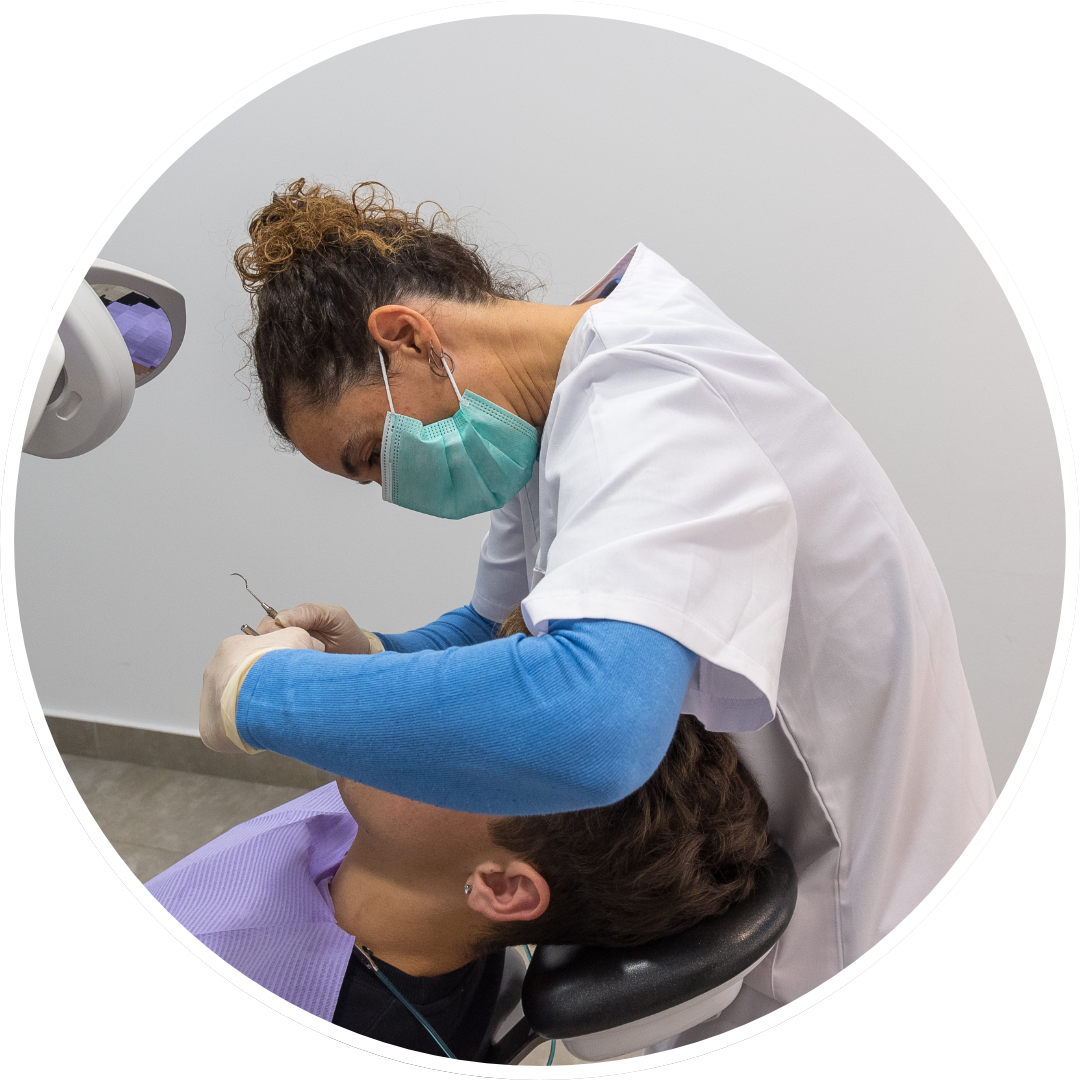
Most dental schools do not teach students how to perform a procedure on a patient without compromising the neck, back and shoulders. As a result of that, most of the professionals in their workplace bend over and turn in a harmful way for long periods of time. Those common bad postures (moving the head up and down with torsions) are forced postures that usually lead to musculoskeletal disorders (MSDs).
So, it is extremely important to learn how to achieve and maintain healthy clinical working practices that don’t interfere with your daily life or your ability to perform your job, considering clinical procedures as the main activity of these professions.
FORCED POSTURES
The 6 possible ergonomic risks that might cause MSDs are: Manual Handling of Loads, Push and Pull, Forced Postures, Repetitive Movements, Sustained Localised Muscle Effort, Data Visualisation Screens.
Of all of those we are going to focus on Forced Postures (FP), as they are considered the first and most relevant risk within the dental profession.
Musculoskeletal disorders include many injuries to muscles, tendons, nerves, joints, ligaments, etc. which are generally located in the back, neck, shoulders, elbows, and wrists.
Title
Standing forced postures
Title
Standing forced postures
Title
Standing forced postures
Title
Seated forced postures
Title
Seated forced postures
Title
Seated forced postures
Title
Seated forced postures
Title
Seated forced postures
Title
Seated forced postures
Title
Seated forced postures
What do we do to correct these forced postures?
HAVE YOU GOT ANY QUESTIONS?
Get in touch if you have any questions related to our training sessions.